
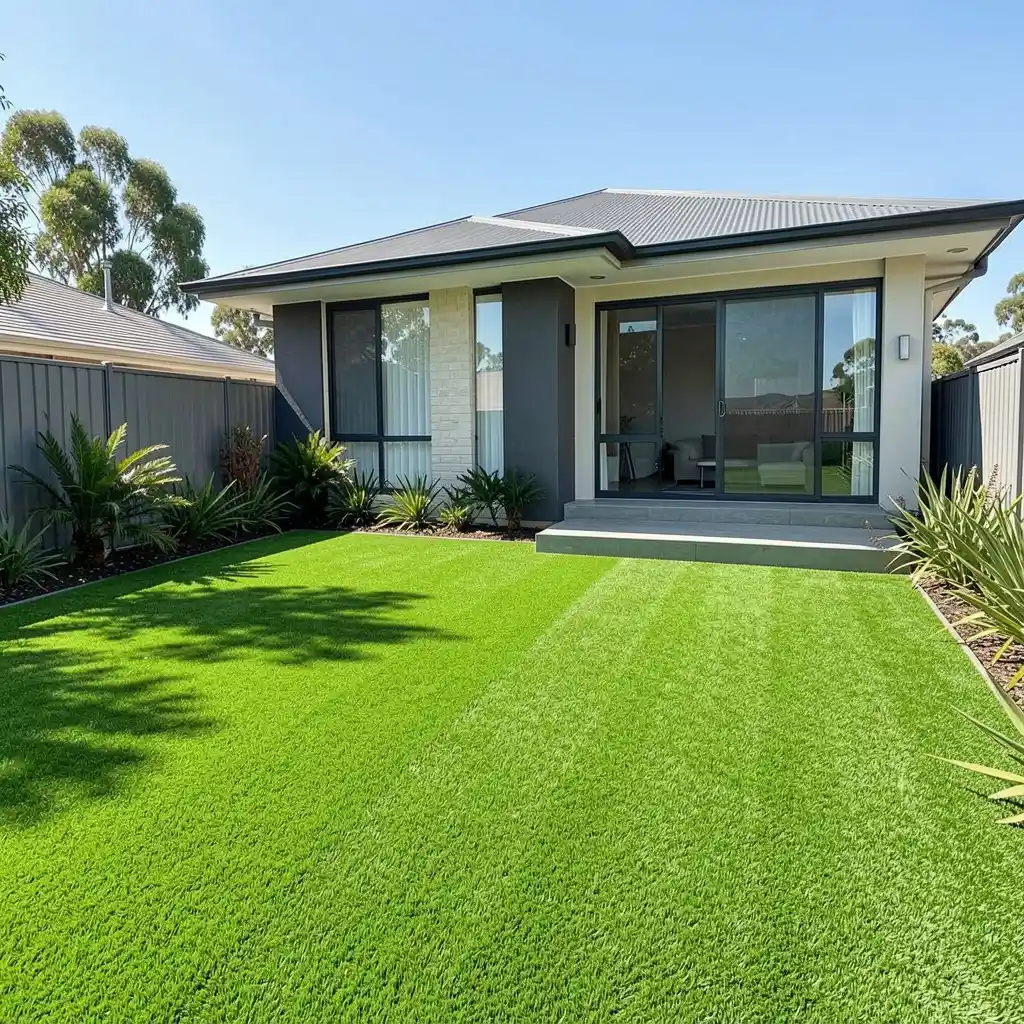
Everything You Need to Know About Instant Lawn for New Builds in Midrand
Handing over the keys to a new build feels like the finish line, but your garden usually looks like the opposite. Bare soil, tire ruts, and construction debris are the norm, not the exception. If you’re planning instant lawn for your new build in Midrand, getting the groundwork right first makes the difference between a lawn that thrives and one that struggles for years. This checklist walks you through every stage, from site clearance to aftercare.
Why New Build Sites Need Extra Preparation
Construction sites take a beating long before the first roll of grass arrives. Heavy machinery compacts the soil, foot traffic disrupts drainage, and topsoil often ends up buried under rubble or hauled away entirely. As a result, the ground beneath a new home rarely resembles healthy garden soil. Skip proper preparation, and even premium instant lawn will struggle to root, leaving you with patchy, stressed grass within months.
Because of this, we treat new build installations differently to standard re-turfing jobs. Every checklist item below exists to counter a specific problem construction leaves behind.
Step One: Clear the Site Completely
Before anything else, remove all builder’s rubble, offcuts, and buried debris from the area. Bricks, cement lumps, and pipe offcuts often sit just below the surface, and they will block root growth if left in place. Walk the site methodically and check for uneven patches, since these usually signal buried material underneath.
Step Two: Test and Address Soil Compaction
Next, assess how compacted the soil actually is. Heavy equipment used during construction presses air pockets out of the ground, which restricts water infiltration and makes it difficult for roots to spread. A simple test involves pushing a screwdriver or metal rod into moist soil; if it stops well short of full depth, compaction is a problem. According to guidance from Rutgers University’s agricultural extension service, compacted soil from construction activity can persist for years if left untreated, so addressing it before planting matters more than most homeowners expect. Tilling or aerating the site loosens compacted layers and restores the structure roots need.
Step Three: Rebuild the Topsoil Layer
Once compaction is under control, focus on the soil itself. Construction frequently strips or buries the original topsoil, leaving subsoil that lacks nutrients and structure. We correct this by bringing in fresh topsoil, levelled and graded to the right depth for root establishment. Adding quality compost at this stage also improves fertility and helps the soil hold moisture, which new instant lawn relies on heavily during its first few weeks.
Step Four: Grade for Drainage
Poor grading causes water to pool near foundations or low points in the yard, which drowns roots before they establish. Therefore, before laying any turf, we shape the site so water flows away from the house and drains evenly across the lawn area. This step also prevents erosion once rain hits freshly laid grass, since loose, ungraded soil washes away easily.
Step Five: Choose the Right Instant Lawn Variety
With the site prepared, the next decision is which grass suits your new garden. Kikuyu Grass handles full sun and heavy foot traffic well, making it a strong choice for family gardens. LM Berea Grass copes better in shaded corners near the house, while TiffSport delivers a finer, more manicured finish for homeowners who want a showpiece lawn. If low maintenance matters more than natural grass, artificial grass is worth considering for smaller courtyards or shaded areas where real grass struggles anyway.
Step Six: Apply Lawn Dressing After Installation
Once the instant lawn goes down, a light layer of lawn dressing helps even out any small surface irregularities and encourages roots to knit into the soil below. This step matters especially on new build sites, where soil settling can create minor unevenness even after careful grading. Turf specialists at NG Turf note that rolling freshly laid sod firmly into place removes air pockets and improves soil contact, which supports faster rooting overall.
Step Seven: Water Consistently in the First Weeks
New instant lawn depends on steady moisture to establish, particularly on new build sites where the soil beneath is still settling. Water daily for the first two weeks, then gradually reduce frequency as roots take hold. Avoid heavy foot traffic during this period too, since compaction from walking undoes much of the preparation work already done.
Building Your New Garden the Right Way
New build landscaping rewards patience at the start and pays off with a lawn that lasts. Skipping site preparation to save time almost always costs more later, whether through patchy regrowth, drainage problems, or an early re-turf. By working through soil correction, grading, and the right grass selection in order, your new Midrand garden gets the strongest possible start.
If you’re finishing a new build and want expert help getting your lawn right the first time, contact Turf Company Midrand for a free, no-obligation site assessment and quote.
Recent Posts:
Best Time to Install Kikuyu Grass in Midrand: Spring vs Autumn Comparison
Kikuyu vs LM Grass: Which Is Better for Midrand’s Climate in 2026?
Kikuyu Grass Installation in Midrand: Complete Cost Breakdown and Timeline