
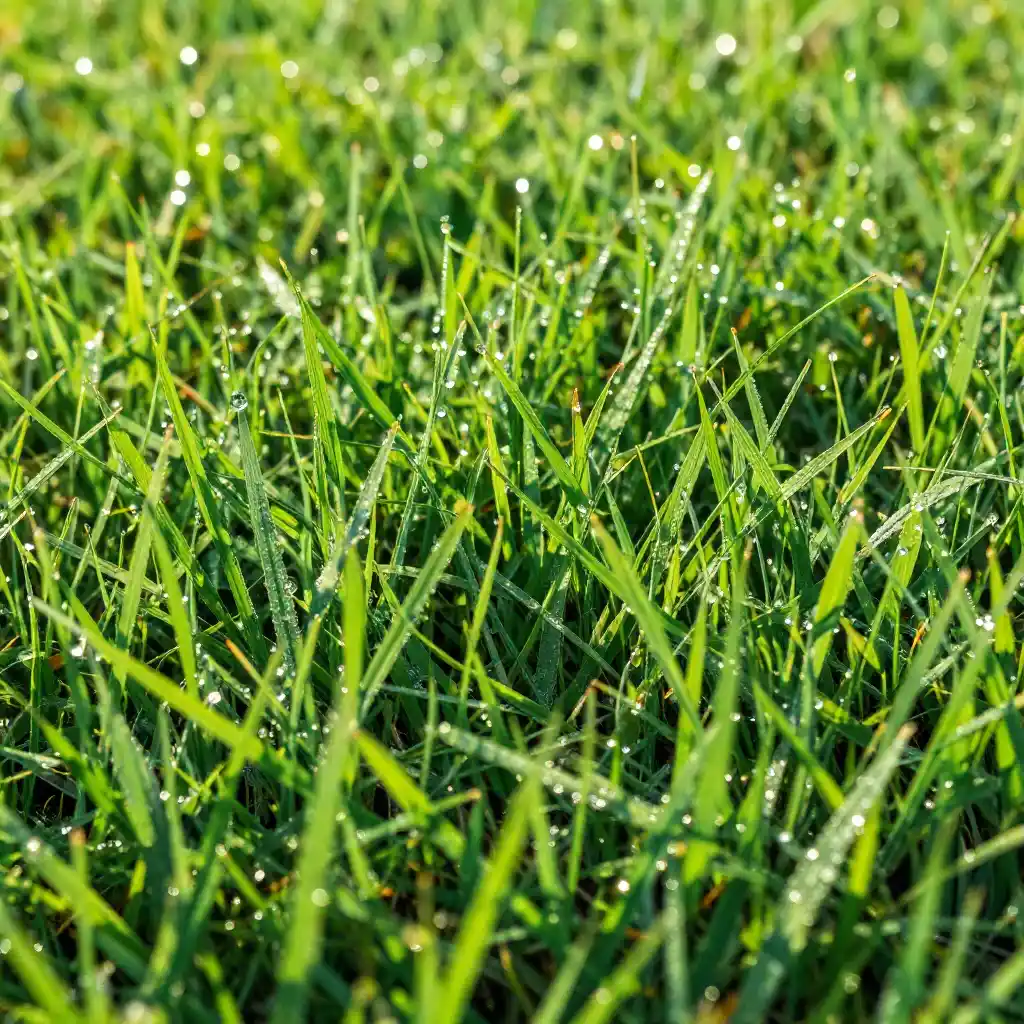
Expert Tips for Managing Kikuyu Grass Growth in Midrand
Kikuyu grass grows faster than almost any other lawn variety in Midrand. That speed is exactly why homeowners love it, yet it’s also why so many lawns end up patchy, thatchy, or scalped. Good Kikuyu grass maintenance isn’t complicated, but it does need consistency. Once you understand how this grass behaves, keeping it neat becomes a simple weekly habit instead of a constant battle.
This guide walks through why Kikuyu grows the way it does, how to mow and water it correctly, and when it’s time to call in a professional instant lawn team.
Why Kikuyu Grass Grows So Fast
Kikuyu spreads through both stolons above the ground and rhizomes below it. Because of this dual growth system, the grass fills bare patches quickly and recovers fast after foot traffic or minor damage. Under warm conditions, established Kikuyu can grow shoots at a remarkable pace, and a healthy patch can expand several square feet a month without any competition, according to the University of California’s Statewide IPM Program.
That same vigour, however, is a double-edged sword. Left unmanaged, Kikuyu doesn’t just get long. It forms a dense mat, climbs over garden edges, and even grows into fences and low shrubs. So, while the growth rate makes Kikuyu brilliant for busy Midrand gardens, it also means neglecting mowing for even a couple of weeks can undo a tidy lawn.
The Role of Soil and Season
Growth speed isn’t only about the grass itself. Soil quality plays a huge part too. Kikuyu planted in enriched, well-draining soil establishes faster and grows more evenly than grass laid over poor, compacted ground. Before installing any instant lawn, we always improve the base with the right organic soils, since strong roots make for grass that’s easier to manage long-term. Growth also slows naturally in winter and speeds up again once the Highveld warms up in spring, so your maintenance routine should shift with the seasons.
Mowing Height and Frequency That Actually Work
Mowing is the single biggest factor in controlling Kikuyu’s growth. Cut it too short, and you risk scalping, which weakens the grass and opens the door to weeds. Cut it too rarely, and thatch builds up fast.
Aim to mow before the grass reaches roughly 8 to 10 cm tall, and never remove more than a third of the leaf blade in one session. During the hottest months, weekly mowing keeps the lawn dense and manageable. In cooler weather, once every two to three weeks is usually enough, since growth slows considerably. Sharp mower blades matter here too, because torn grass discolours faster and becomes more vulnerable to disease.
Adjusting for the Highveld Climate
Midrand’s summer rainfall and warm temperatures push Kikuyu into rapid growth between spring and early autumn. During this window, stick closely to your mowing schedule rather than waiting until the lawn looks overgrown. Once winter arrives and growth slows, ease off. Overworking a dormant lawn does more harm than good.
Watering Without Encouraging Excess Growth
It’s tempting to assume more water always means a better lawn, but with Kikuyu, that’s not quite true. Deep, infrequent watering encourages roots to grow downward, which builds drought tolerance and reduces the need for constant mowing. Frequent shallow watering, on the other hand, keeps growth shooting upward and increases disease risk.
Water early in the morning where possible. This timing reduces evaporation and gives the lawn enough time to dry out before evening, which lowers the chance of fungal problems. If your existing lawn looks uneven or thin in patches despite good watering, a layer of lawn dressing can level the surface and encourage thicker, more consistent growth.
Feeding Your Kikuyu Lawn the Right Way
Kikuyu doesn’t need heavy fertilising to thrive, and over-feeding actually accelerates the growth problem you’re trying to manage. A balanced, slow-release feed during spring and summer supports healthy colour and density without pushing excessive height. Reduce or pause feeding in winter, since the grass needs far less support while it’s dormant.
Good soil health also reduces your reliance on fertiliser altogether. Working compost into your lawn once or twice a year improves nutrient availability naturally, which means steadier, more predictable growth instead of sudden surges after every feed.
Managing Thatch Before It Becomes a Problem
Because Kikuyu grows so vigorously, thatch, the layer of dead stems and organic matter between soil and grass, builds up faster than in slower-growing varieties. Left unchecked, thatch blocks water and nutrients from reaching the roots, which then triggers patchy, unhealthy growth. This pattern is well documented by turf researchers, who note that Kikuyu’s thick mats can eventually pose a tripping hazard on sports fields and gardens alike, as explained in UC IPM’s guidance on kikuyugrass management.
Scalping the lawn once a year, ideally in late winter or early spring before new growth kicks in, removes built-up thatch and gives the grass a clean start for the season ahead. If your lawn has thinned out badly after scalping, topping up with fresh topsoil helps new shoots establish quickly.
Recognising the Warning Signs
A few signs point to thatch trouble before it gets serious. Spongy patches underfoot, water pooling on the surface instead of soaking in, and grass that looks dry despite regular watering all suggest thatch is building up beneath the surface. Catching these signs early means less work later.
When Rapid Growth Becomes a Bigger Issue
Sometimes Kikuyu’s growth outpaces what a normal mowing and watering routine can manage, especially after a wet Highveld summer. When that happens, it usually points to deeper issues: compacted soil, uneven levels, or a lawn that was never properly prepared during installation. As one international turf reference notes, Kikuyu’s underground rhizome network allows even small clippings to root and regrow, so poor mowing habits can actually spread the problem rather than solve it, according to the Tropical Forages factsheet on kikuyu grass.
If your lawn has reached that stage, it’s often faster and cheaper to bring in a professional team than to keep fighting the growth on your own.
Getting Professional Help in Midrand
At Turf Company, we install and maintain Kikuyu grass across homes, schools, and businesses throughout Midrand and the surrounding suburbs. We know exactly how local soil, sun, and rainfall patterns affect growth, so our advice is built around what actually works here, not generic tips from a different climate.
Whether you need a full Kikuyu lawn installation, a soil health boost with organic soils, or simply some tailored maintenance advice, our team is ready to help. If Kikuyu’s rapid growth has become more than you want to manage, and a low-maintenance alternative sounds appealing, our artificial grass range is also worth a look. Either way, get in touch with us for a free, no-obligation quote, and let’s get your lawn back under control.