
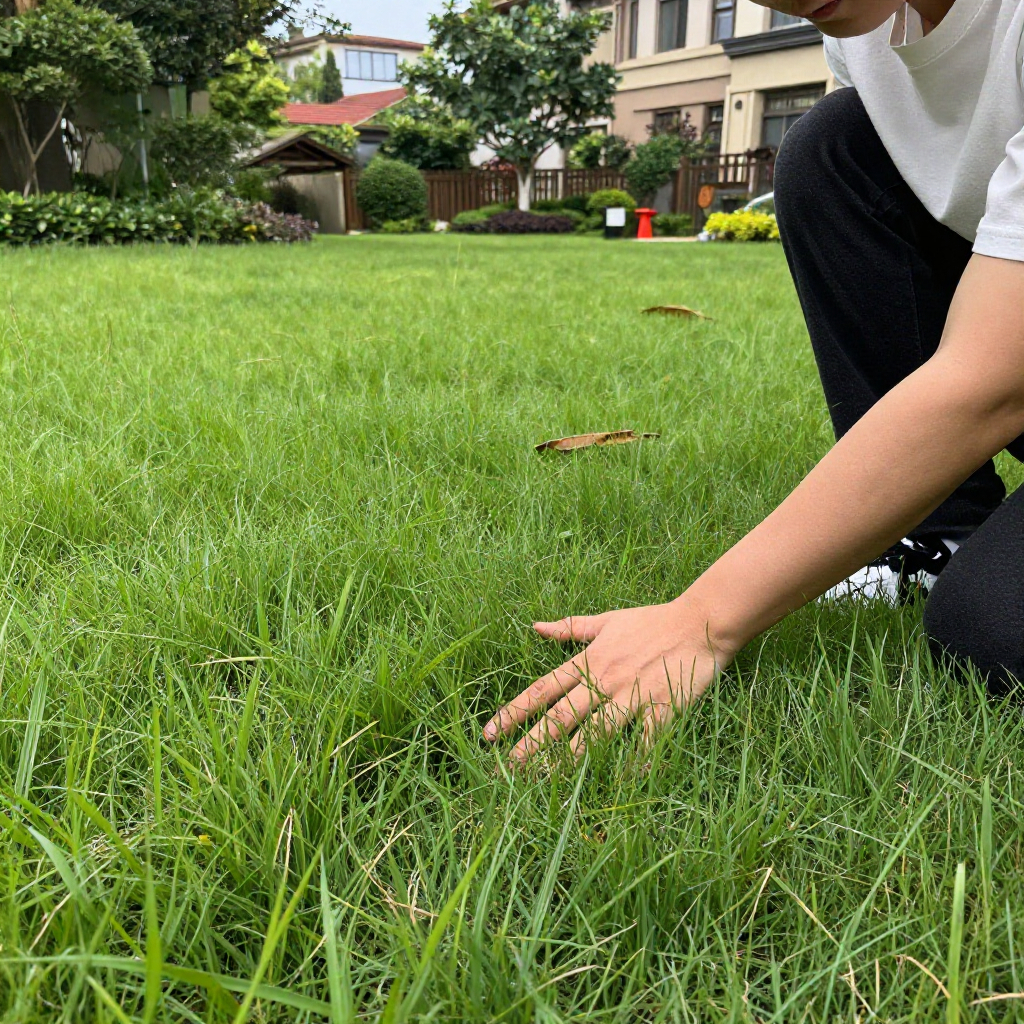
Troubleshooting Dying Kikuyu Grass in Midrand Gardens
Kikuyu grass has a reputation for toughness, yet many Midrand lawns still turn patchy, thin, or yellow. If your kikuyu grass looks tired despite regular care, the problem usually traces back to soil, watering, or mowing habits rather than the grass itself. This guide walks through the real reasons kikuyu struggles in Midrand gardens and shows you exactly how to bring your lawn back to life.
Common Signs Your Kikuyu Lawn Is in Trouble
Before fixing anything, it helps to spot the warning signs early. A struggling kikuyu lawn often shows yellow patches in shaded corners, thinning grass along high-traffic paths, or a spongy, uneven feel underfoot caused by thatch buildup. Some lawns also stall completely during the growing season instead of filling in bare spots. Because kikuyu normally spreads fast through runners, slow or stalled growth almost always points to an underlying issue rather than bad luck.
Why Kikuyu Grass Struggles in Midrand’s Climate and Soil
Midrand’s Highveld climate brings hot summers, cold winters, and clay-heavy soil in many suburbs. Kikuyu handles heat and drought well, but a few local conditions still catch homeowners off guard.
Poor Soil Preparation
Kikuyu needs loose, well-draining soil to establish strong roots. When a lawn gets laid over compacted or nutrient-poor ground, roots stay shallow and the grass struggles to recover from foot traffic or dry spells. This is one of the most common causes of a weak instant lawn in Midrand, and it’s also the easiest to prevent before installation rather than fix afterward.
Incorrect Mowing Height
Cutting kikuyu too short scalps the grass and exposes the soil underneath, while leaving it too long encourages thatch to build up. Both mistakes weaken the lawn over time and make it more vulnerable to disease and weed invasion. According to the University of California’s Integrated Pest Management Program, thin or neglected kikuyu turf is also far more likely to let weeds establish through seed, so consistent mowing height does double duty by keeping the lawn dense.
Shade and Sunlight Issues
Kikuyu needs full sun to stay thick and green. Trees, walls, and shaded courtyards common in Midrand gardens can starve the grass of light, causing it to thin out and eventually die back in those spots. If a section of your garden sits in shade most of the day, kikuyu will likely underperform there no matter how well you care for it.
Watering Mistakes
Overwatering and underwatering both cause problems. Frequent shallow watering encourages roots to stay near the surface, while long dry spells during Midrand summers stress the grass and slow its recovery. Research from the University of California, Riverside notes that kikuyu’s active growth window sits mostly between 15°C and 32°C, so watering needs shift noticeably between seasons rather than staying constant year-round.
How to Fix a Struggling Kikuyu Lawn
Once you know what’s causing the damage, the fix usually comes down to correcting one or two habits rather than starting over.
Improve Your Soil First
Before you do anything else, check what’s happening beneath the surface. Adding compost boosts nutrients and improves drainage, while lawn dressing levels uneven patches and thickens thinning areas. For bare spots or new sections, quality topsoil gives roots the foundation they need to establish properly. Together, these form the backbone of Turf Company Midrand’s organic soils range, and they solve more lawn problems than any other single step.
Adjust Your Mowing Routine
Set your mower to a consistent height and stick to it. Kikuyu generally does best kept between 25mm and 40mm, cut regularly enough that you’re never removing more than a third of the blade length in one session. This keeps the lawn dense enough to crowd out weeds naturally.
Water Deeply, Not Often
Rather than watering daily for a few minutes, water less frequently but more deeply. This trains roots to grow downward, which makes your lawn far more resilient during Midrand’s dry winter months and hot summer spells alike.
Feed at the Right Time
Fertilise during the active growing season, from spring through late summer, and hold back during winter dormancy. Feeding at the wrong time wastes fertiliser and can actually stress the grass instead of helping it.
When to Consider Replacing Your Kikuyu Lawn
Sometimes a lawn is too far gone for repair, especially where soil compaction runs deep or shade has thinned the grass beyond recovery. In these cases, replacing the affected area with fresh kikuyu grass laid over properly prepared soil often works out cheaper and faster than months of ongoing repair. Homeowners in areas like Saddlebrook have found that a full relay, done once with the right soil preparation, saves years of frustration compared to patching the same problem repeatedly.
Get Expert Help From Turf Company Midrand
A struggling kikuyu lawn is rarely a lost cause. In most cases, better soil, smarter watering, and consistent mowing bring it back within a few weeks. If your lawn still isn’t responding, get in touch with Turf Company Midrand for a site assessment. We know Midrand’s soil and climate well, and we’ll help you figure out whether your lawn needs a fix or a fresh start.