Pet-Friendly LM Berea Grass for Midrand Gardens
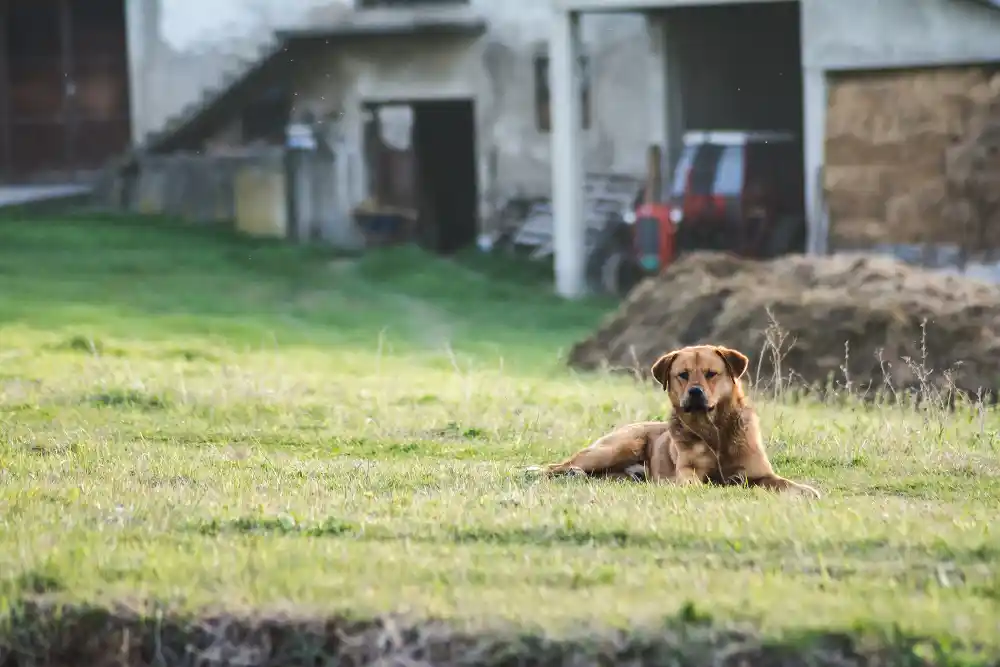
Dogs and lawns don’t always mix well. If you’ve noticed brown patches, thinning areas, or bald spots after your dog started using the garden as their toilet, you’re not imagining things. LM Berea Grass, like every natural lawn, can suffer damage from daily pet activity. The good news is that this damage is manageable, and with the right care, your shaded garden can stay green and pet-friendly at the same time.
At Turf Company Midrand, we install and maintain LM Berea Grass across shaded gardens in the area, so we see this issue often. Here’s what actually happens when dogs and LM Berea Grass share a garden, and how to keep your lawn healthy.
Why Dog Urine Damages Any Lawn, Including LM Berea Grass
Dog urine contains high levels of nitrogen. In small amounts, nitrogen actually feeds grass, which is why it’s a core ingredient in most lawn fertilisers. However, when a dog repeatedly urinates in the same spot, that nitrogen becomes concentrated. As a result, it scorches the grass instead of feeding it, leaving behind a yellow or brown patch, often ringed by a darker green border where diluted nitrogen has acted like fertiliser.
According to the American Kennel Club, this nitrogen build-up, rather than the acidity of the urine, is the real cause of lawn burn. Female dogs and dogs that squat to urinate tend to cause more visible damage, simply because they release urine in one concentrated spot rather than spreading it across a wider area while marking. McGill University’s Office for Science and Society confirms that larger dogs, and diets that are unusually high in protein, tend to produce more concentrated nitrogen and, therefore, more noticeable spots.
How LM Berea Grass Responds to Dogs Specifically
A Soft Leaf Under Pressure
LM Berea Grass is prized for its soft, fine leaf and shade tolerance, which is exactly why families with kids and pets often choose it over hardier options like Kikuyu Grass. That softness, however, means it recovers more slowly from concentrated stress than a coarser, high-traffic grass. Repeated urination in the same corner, combined with regular running or digging, wears down the leaf faster than an occasional walk across the lawn would.
Shade Slows Natural Recovery
Because LM Berea Grass grows in partially shaded areas, it already photosynthesises less than a lawn in full sun. This isn’t a problem under normal conditions, but it does mean the grass has less energy in reserve to bounce back quickly from nitrogen burn or worn patches. In sunnier spots, grass regenerates faster; in shade, damage tends to linger a little longer before new growth fills in.
Digging and Foot Traffic
Urine isn’t the only culprit. Dogs that dig, especially in cooler soil under trees where LM Berea often grows, can pull up roots and expose bare patches. Repeated pacing along fence lines or favourite play routes compacts the soil underneath, which then makes it harder for water and nutrients to reach the roots.
Signs Your LM Berea Lawn Has Dog Damage
A round, yellow or brown patch with a darker green ring around it usually points to urine burn rather than disease or pests, which tend to spread more randomly across a lawn. If you gently tug the affected grass and it lifts away easily, the problem is more likely a fungal or grub issue than dog damage, since urine doesn’t weaken root strength the way pests do. Bare patches with disturbed soil, on the other hand, usually mean digging rather than urine is behind the damage.
How to Protect Your LM Berea Grass From Dog Damage
Rinse High-Traffic Spots
The simplest fix is also the most effective. Watering the area shortly after your dog urinates dilutes the nitrogen before it concentrates in the soil, which reduces the chance of scorching. A quick rinse with a hose after your dog’s usual toilet break goes a long way toward preventing brown patches from forming in the first place.
Encourage Hydration
Dogs that drink more water produce more diluted urine, which naturally lowers the nitrogen concentration hitting your lawn. Multiple water bowls around the garden, or adding water to your dog’s food, can help without any change to their diet.
Set Up a Designated Toilet Area
Training your dog to use one corner of the garden, ideally an area covered in mulch, gravel, or Topsoil rather than lawn, keeps the rest of your LM Berea Grass protected. It also makes clean-up far easier for you.
Feed the Soil, Not Just the Grass
Healthy, well-fed soil recovers faster from stress of any kind. Enriching your lawn with compost or lawn dressing improves root strength and helps the grass bounce back after urine damage or digging. This is a step we build into every instant lawn installation, since strong roots make all the difference over time.
When Artificial Grass Might Be the Better Option
If your dog is particularly active, digs frequently, or simply spends most of the day outdoors, a natural lawn may need more upkeep than you’d like. In these cases, artificial grass built specifically for pets can be worth considering. Our Pet Turf range uses a permeable base and odour-neutralising infill, so urine drains straight through instead of pooling or burning, and there are no bald patches to manage. It’s a practical alternative for households where a natural lawn simply can’t keep up with a busy dog.
Get Expert Advice from Turf Company Midrand
Whether you want to protect an existing LM Berea lawn or you’re weighing up natural grass against a pet-friendly artificial surface, our team can help you choose the right fit for your garden and your dog. Contact Turf Company Midrand for a site assessment and a free, no-obligation quote.