
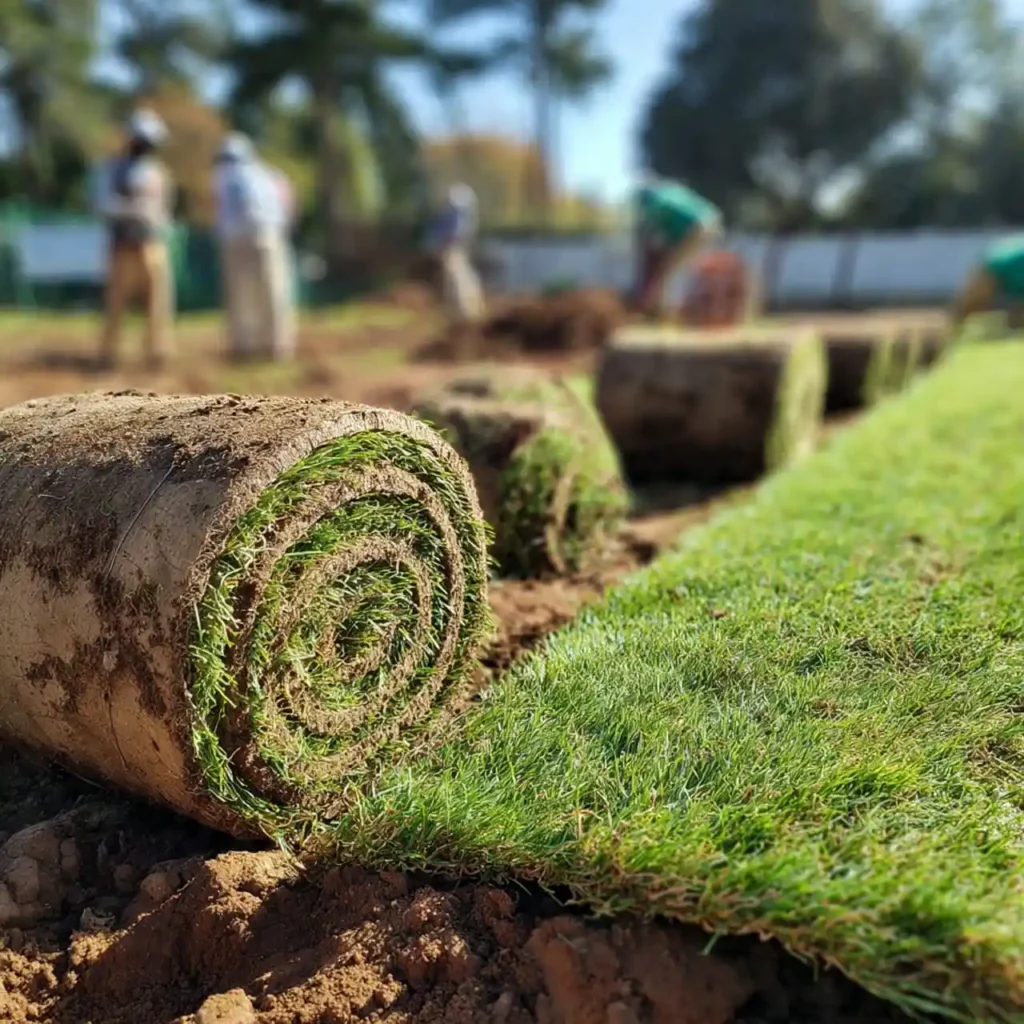
Why Instant Lawn Is Ideal for Randjesfontein Smallholdings
Randjesfontein smallholdings come with space most Midrand gardens don’t have. That space is an asset, but it also raises the stakes on any lawn project. A patchy seed lawn on a quarter-acre stings. A patchy seed lawn across a full smallholding is a much bigger headache, and a much bigger bill to fix.
That’s why more Randjesfontein plot owners choose instant lawn over seed. Instant lawn gives you a full, rooted cover in days instead of months, and it handles the scale of a smallholding far better than seed ever will. Below, we break down why instant lawn suits Randjesfontein’s larger properties, which grass varieties hold up best, and what proper installation actually involves.
Why Smallholdings Need a Different Lawn Strategy
A standard suburban garden forgives small mistakes. A smallholding doesn’t, simply because of scale. Uneven soil, patchy coverage, or a weak grass variety shows up across hundreds of square metres instead of a small backyard corner. Fixing that later costs far more than getting it right from the start.
Seed also struggles on larger areas. Wind blows it into clumps, birds eat a chunk of it, and uneven watering leaves bare patches that weeds move into fast. Instant lawn sidesteps all of that. Because it arrives as pre-grown rolls, coverage is even from day one, and there’s no four-to-six-week window where your property looks like a construction site.
Smallholdings also tend to carry more foot and vehicle traffic than a typical garden. Horses, farm vehicles, kids, and pets all put real wear on turf, so the grass variety you choose matters more here than almost anywhere else in Midrand.
Choosing the Right Grass for a Randjesfontein Property
For large, sun-exposed areas, Kikuyu Grass is usually the strongest choice. It’s a warm-season, deep-rooted grass, and research from the University of California’s Statewide IPM Program shows it tolerates high heat, keeps growing vigorously under stress, and recovers quickly from wear. That combination suits smallholdings with animals, kids, or regular vehicle movement.
Shaded sections, such as areas under mature trees or near outbuildings, do better with LM Berea Grass, which handles lower light levels without thinning out. If you want colour retention through Midrand’s cooler months, All Seasons Evergreen stays green when other varieties start to fade.
Many Randjesfontein properties actually need a mix. One variety for the open paddock area, another for the shaded garden near the house, and perhaps a fine-textured option like TiffSport for a manicured section closer to an entertainment area. We work out this split with you on-site, based on sun exposure, drainage, and how each area gets used.
Soil Preparation Matters More on Larger Plots
Instant lawn only performs as well as the ground beneath it. On a smallholding, soil conditions often vary across the property, so preparation isn’t a one-size-fits-all job.
Compacted soil is the most common issue we see. Penn State Extension’s lawn establishment guidelines note that soil should be checked for compaction and drainage before any grading begins, since roots simply can’t push through dense, airless ground. Before laying any rolls, we assess soil texture and drainage across your property, then loosen, level, and enrich it with the right organic soils mix. A blend of compost and quality topsoil gives new roots the nutrients and structure they need to establish quickly, rather than sitting on stressed, compacted ground.
Because Randjesfontein sits within Midrand’s growth corridor, many properties also deal with recently disturbed or filled soil from nearby development. That makes proper testing and preparation even more important before installation day.
What Installation Looks Like for a Larger Property
A smallholding installation follows the same core process as a smaller garden, just at a larger scale and with more planning upfront. We start with a full site assessment, checking soil type, sun exposure, slope, and drainage across the whole property, not just one section.
From there, we prepare the ground, add the right soil amendments, and lay the instant lawn rolls in sequence, working area by area so watering stays consistent throughout. Because larger properties often combine open lawn with driveways, paddocks, or garden beds, we also plan logistics carefully, so delivery and laying happen without delays that could dry out the rolls before they’re down.
Once installed, your new lawn needs consistent watering for the first few weeks while roots knit into the soil. After that, Kikuyu and similar varieties settle into a low-maintenance routine that suits a working smallholding far better than a high-fuss seeded lawn ever could.
Instant Lawn or Artificial Grass for Smallholdings?
Not every part of a Randjesfontein property needs living grass. High-traffic zones near stables, kennels, or play areas sometimes work better with artificial grass, which needs no watering or mowing and holds up to heavy use year-round. Many of our smallholding clients combine both: instant lawn for the main garden and open areas, with artificial turf for pet runs or play zones where natural grass would struggle to keep up.
Ready to Transform Your Randjesfontein Property?
Instant lawn gives Randjesfontein smallholdings a fast, even, and durable result that seed simply can’t match at this scale. Get in touch with Turf Company Midrand for a free site assessment, and we’ll recommend the right grass varieties and soil preparation plan for your property.