When Should You Replace Artificial Grass in Midrand? Key Warning Signs
Artificial grass gives Midrand homes and businesses a lush, low-maintenance lawn for years. However, no synthetic surface lasts forever. Sun, rain, foot traffic, and time eventually wear turf down. So, how do you know when your lawn has reached the end of its life?
This guide walks you through the clearest warning signs, so you can decide whether a repair or a full replacement makes more sense for your outdoor space.
Visible Wear and Tear
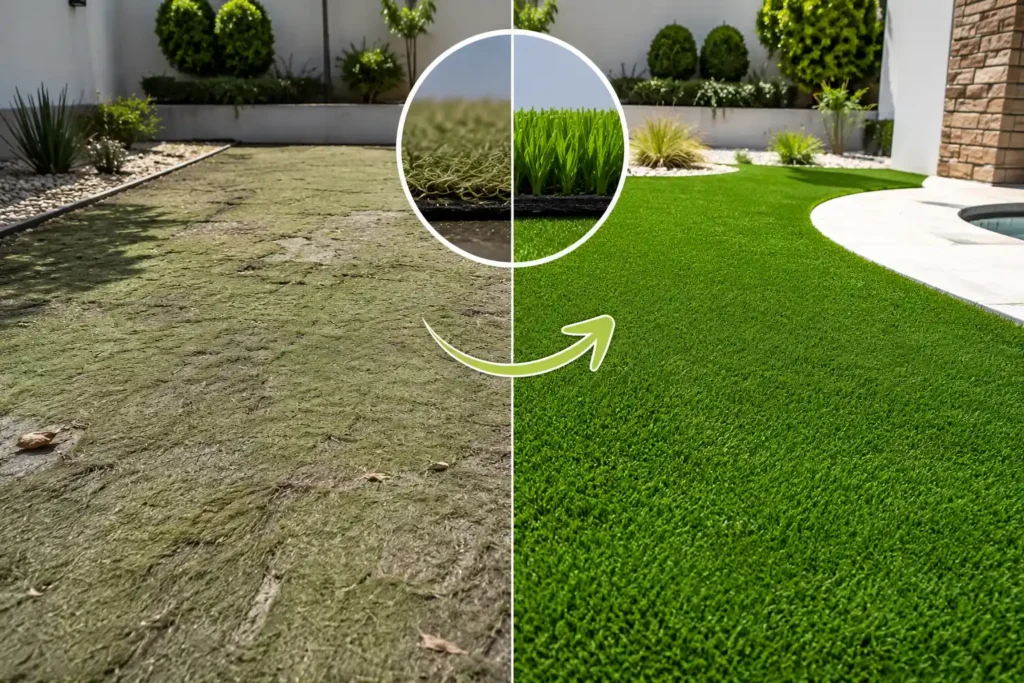
Wear is usually the first sign owners notice. Over time, high-traffic paths, entry points, and play areas start to look different from the rest of the lawn. Fibres thin out, colour fades unevenly, and the surface starts to look patchy rather than uniform.
Because artificial grass is engineered to handle sun and foot traffic, some fading is normal after many seasons. Still, once bald patches or noticeable colour mismatches appear across large sections, patch repairs no longer restore a natural look. At that stage, replacement becomes the more cost-effective option.
Wear Around Pets and High-Traffic Zones
Homes with dogs often see wear develop faster near gates, doorways, and favourite digging spots. If you installed pet turf, you may still notice localised wear in the busiest corners of the yard, even though pet-specific turf is built for durability. When wear concentrates in a few areas rather than spreading evenly, a partial repair might solve the issue instead of a full relay.
Flattened, Matted Fibres
Healthy artificial grass fibres stand upright and bounce back after you walk on them. When fibres stay flat, matted, or crushed even after brushing, that’s a strong signal your turf has reached its limit.
Matting usually starts in high-traffic areas: pathways, seating zones, or spots where furniture sits for long periods. Once the fibres lose their spring permanently, no amount of brushing or infill top-up brings back their original texture. At this point, the lawn looks tired, and no maintenance routine reverses the damage.
Playground and Sports Areas Wear Differently
Turf used for active play or sport takes more punishment than a decorative lawn. Playground turf and multisport turf both see heavier, more concentrated use, so they flatten faster in specific zones. If a school or sports facility notices matting across goal areas or landing zones, replacing that section sooner protects safety as much as appearance.
Drainage Problems
Good drainage keeps artificial grass functional after rain. When installed correctly, water passes straight through the backing into a compacted, well-prepared base. Consequently, puddles shouldn’t form on the surface.
If you notice standing water, soggy patches, or a musty smell after rain, the drainage layer beneath your turf has likely failed. This can happen because of a poorly compacted base, a blocked weed barrier, or years of debris build-up clogging the backing. Because drainage issues also invite mould and unpleasant odours, they’re not just cosmetic. Left unaddressed, they shorten the lifespan of the entire installation.
Why Base Preparation Matters So Much
Most drainage failures trace back to how the base was built in the first place. A shallow or poorly compacted foundation shifts over time, creating dips where water collects. This is one reason proper excavation and base preparation matter as much as the turf itself when it comes to long-term performance.
How Long Should Artificial Grass Last?
Under normal residential use, high-quality artificial grass typically lasts between 10 and 20 years, depending on the product, installation quality, and how much traffic it handles. According to Synthetic Turf International, UV resistance and fibre quality play a major role in how long a lawn keeps its shape and colour. Meanwhile, The Turf Yard notes that installation technique and ongoing maintenance also influence how many years a lawn delivers before it needs replacing.
Naturally, areas with heavier foot traffic, pets, or direct sun exposure tend to wear out sooner than lawns used mainly for looks. So, if your turf is approaching or past the 10-year mark and showing several of the signs above, it’s worth having it assessed rather than waiting for a full failure.
The Benefits of Upgrading Your Lawn
Replacing old, worn turf isn’t only about fixing a problem. It’s also a chance to upgrade. Turf technology has moved forward since older installations went in, so newer products often offer better UV stability, denser fibres, and improved drainage systems.
An upgrade also lets you rethink how you use the space. Perhaps your original landscaping turf no longer suits how your family uses the garden, or maybe a putting green or multisport area would get more use than a purely decorative lawn. Because a full replacement starts with fresh excavation and a properly compacted base, it’s also the ideal time to correct any drainage issues from the original install.
Finally, fresh turf immediately lifts the look of a property. Whether you’re preparing a home for sale or simply want your garden to feel new again, replacing tired, flattened turf makes an instant visual difference.
Getting Your Lawn Assessed
If your artificial grass shows wear, flattened fibres, or drainage problems, don’t wait for the damage to spread. A site visit helps determine whether a repair, partial relay, or full replacement suits your situation best. Our team knows Midrand’s soil and drainage conditions well, so we can recommend the right approach for your property.
Get in touch through our contact page to book an assessment and keep your outdoor space looking its best all year round.