Berea Grass Installation Cost-Benefit Analysis for Midrand
Shaded gardens frustrate a lot of Midrand homeowners. You plant grass, water it faithfully, and still end up with bare, patchy soil under the trees. LM Berea Grass installation solves this problem, but it usually costs more than standard lawn varieties. So, is that extra spend actually worth it?
This guide breaks down exactly what drives the cost of LM Berea Grass, where the value shows up, and when a cheaper option might serve you better. By the end, you will know whether this shade-loving lawn deserves a spot in your garden budget.
What Is LM Berea Grass, and Why Does It Cost More?
LM Berea Grass is a soft-leaf, shade-tolerant lawn variety bred to grow where sun-loving grasses fail. Unlike Kikuyu Grass, it does not need full sun to establish a thick, even lawn. Instead, it handles low-light spots under trees, along boundary walls, and on the shaded side of the house.
That shade tolerance comes at a price, though. LM Berea is slower to propagate than hardier varieties, and it needs more careful handling during transport and laying. Growers also produce less of it per hectare compared to Kikuyu, since it grows more slowly. As a result, the raw material costs more before installation even begins.
The Real Installation Costs: What You’re Paying For
Before dismissing LM Berea as overpriced, it helps to understand where your money actually goes. Installation is not just about rolling out turf. It involves several stages, each of which affects the final quality of your lawn.
Site Assessment and Soil Preparation
Every proper installation starts with a site visit. A technician checks sun exposure, drainage, and soil condition before recommending LM Berea over other instant lawns. This step matters more in shaded gardens, since compacted or poor-quality soil is common under tree cover.
Once the site gets the green light, the real groundwork begins. Old grass, weeds, and debris get cleared first. Then the soil gets loosened and enriched with organic soils like compost and topsoil. Skipping this step is one of the most common reasons shaded lawns fail, according to horticulture research from Illinois Extension, which points to poor light and root competition as the leading causes of shade lawn decline.
Premium Turf and Skilled Labour
After soil prep, the crew levels the area to stop water from pooling and to give the lawn a clean, even finish. Only then does the LM Berea turf get laid, trimmed, and fitted around beds, paths, and borders. Because the rolls arrive pre-grown, your lawn looks complete the moment installation finishes.
Skilled labour costs more for a reason. Shade lawns need precise handling, since gaps or poor edge work show up quickly in low light. A rushed job on any lawn variety often leads to patchiness within months, which then costs more to fix than getting it right the first time.
LM Berea vs Kikuyu: Comparing Value for Shaded Gardens
Kikuyu Grass costs less and handles heavy foot traffic well, but it struggles badly once shade increases. If your garden gets full sun most of the day, Kikuyu remains the smarter, more affordable choice. However, once tree cover or building shadows cut into daily sunlight, Kikuyu thins out and turns patchy, no matter how well you water it.
This is exactly where LM Berea earns its price tag back. Rather than fighting a losing battle with the wrong grass, you install a variety built for the conditions you actually have. Many Midrand gardens even combine both, with Kikuyu covering sunny sections and LM Berea taking over the shaded areas. This approach, guided by a proper site assessment, avoids wasting money on grass that was never going to thrive in the first place.
Where the Extra Cost Pays Off
The clearest payoff shows up in areas where other lawns have already failed. If you have re-seeded or re-turfed a shaded patch more than once, you have likely already spent more than LM Berea would have cost from the start. Repeated failed attempts add up quickly, both in materials and in wasted time.
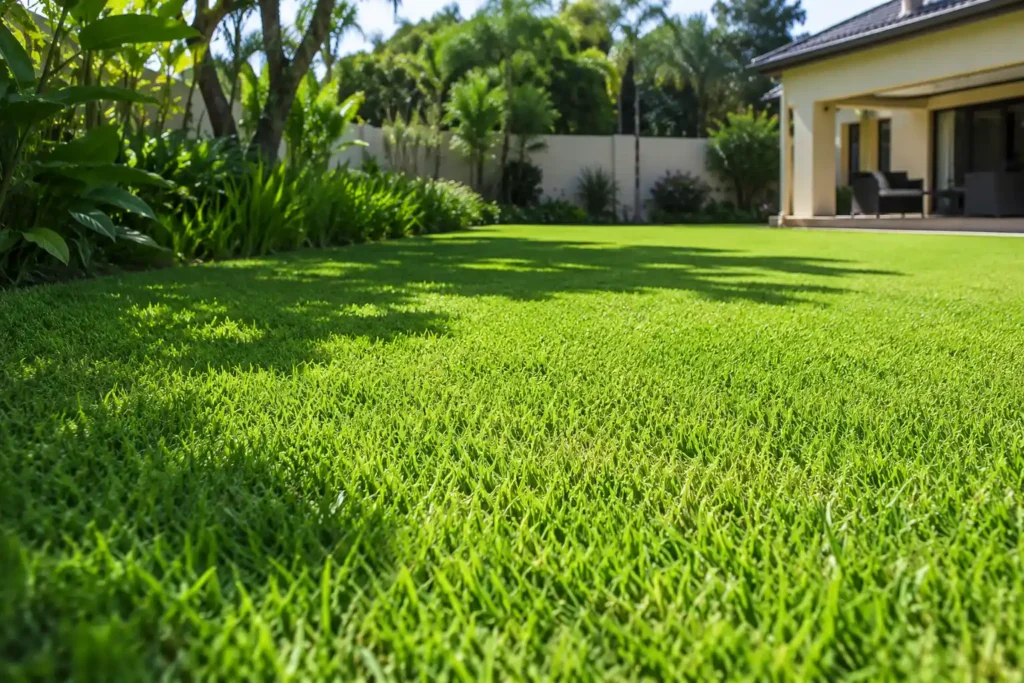
LM Berea also holds its soft, dense texture better than most alternatives, which matters if kids or pets use the garden regularly. A lawn that looks patchy and feels rough underfoot does little for a property’s curb appeal or usability. According to This Old House’s guide on shade-tolerant lawns, grass growing in low light recovers more slowly from wear than grass in full sun, so choosing a variety suited to shade from the outset reduces long-term stress on the lawn.
Finally, once established, LM Berea needs comparatively little upkeep. It holds a rich green colour for most of the year and does not demand constant reseeding or patch repair, which lowers your maintenance costs over time.
When LM Berea Grass Might Not Be Worth It
LM Berea is not always the right answer, and an honest guide should say so. If your garden gets strong, direct sun for most of the day, spending extra on a shade variety brings no real benefit. Kikuyu or TiffSport will likely serve you better and cost less.
Extremely dense shade also has limits. No lawn variety, including LM Berea, grows well with less than a couple of hours of usable light per day. In these cases, artificial grass or a shade-loving groundcover often makes more practical sense than pushing a natural lawn to grow where it fundamentally cannot.
Getting the Best Value from Your LM Berea Installation
Value comes from doing the job properly, not from cutting corners to save on upfront cost. A proper site assessment, correct soil preparation, and careful laying all protect your investment and extend the life of the lawn. Cheaper, rushed installations tend to fail faster, which erases any short-term savings.
It also helps to work with installers who know your specific area. Soil types and drainage patterns vary across Midrand suburbs, from Saddlebrook to Kyalami, so local experience directly affects how well your lawn establishes and how long it lasts.
Final Verdict: Is LM Berea Grass Worth It in Midrand?
For shaded gardens, LM Berea Grass installation is worth the extra cost. It solves a problem that cheaper grass varieties simply cannot fix, and it does so with a soft, attractive lawn that holds up over time. For sunny gardens, though, the extra spend brings little benefit, and a hardier, more affordable variety makes more sense.
The right choice always depends on your specific garden conditions. A proper site visit, rather than guesswork, gives you the clearest answer.
Still unsure whether LM Berea Grass suits your garden? Learn more about Turf Company Midrand or get in touch for a free, no-obligation site assessment. Our team will tell you honestly whether the extra cost makes sense for your space.
Recent Posts:
Why Artificial Grass Is the Best Investment for Midrand Homes