
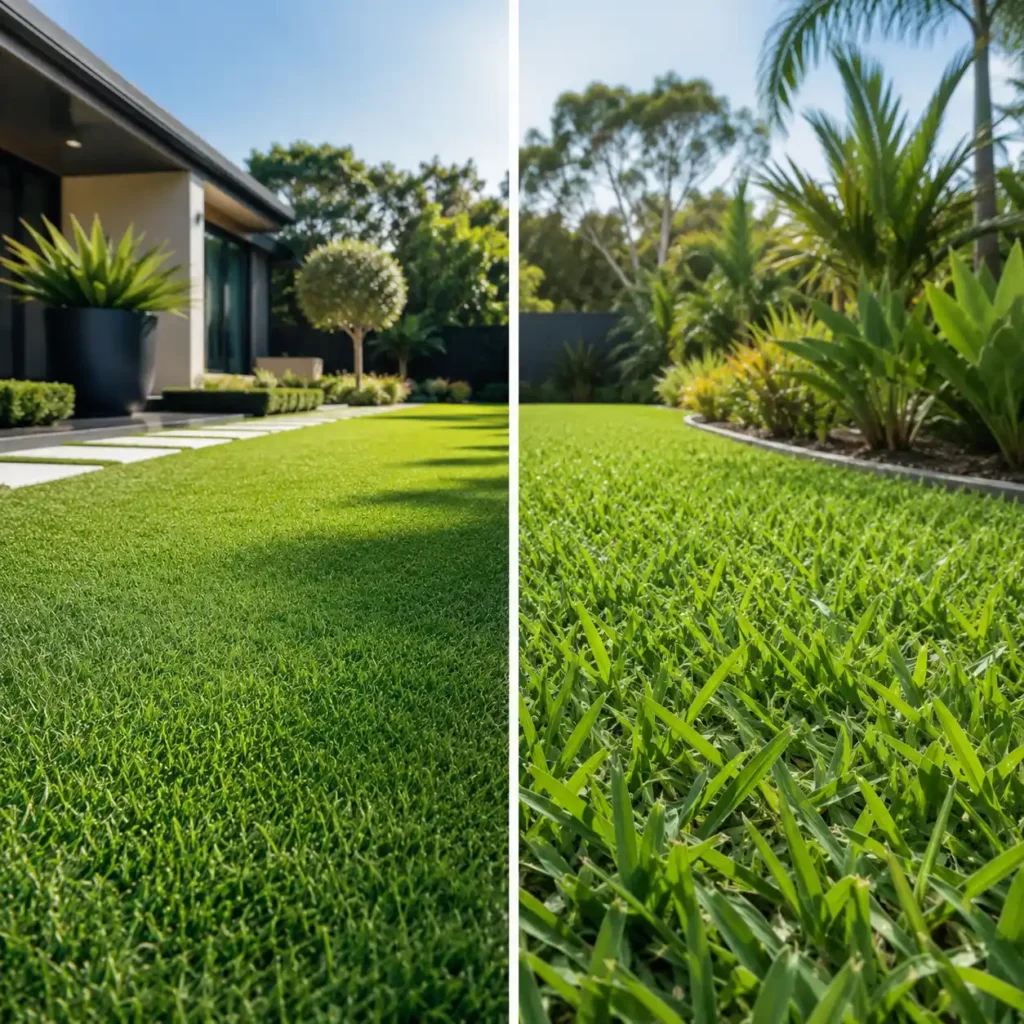
Best Grass for Midrand Gardens: LM Berea vs Kikuyu Compared
Choosing the right lawn variety shapes how your garden looks and performs for years. In Midrand, two grass types dominate the conversation: Kikuyu and LM Berea. Both grow well locally, yet they suit very different gardens. This guide breaks down the differences, so you can pick the right instant lawn for your space.
What Is Kikuyu Grass?
Kikuyu is a hardy, fast-growing lawn variety built for sun-drenched gardens. It spreads quickly through runners, so bare patches fill in on their own. Because of this vigorous growth, Kikuyu handles heavy foot traffic well. Kids, pets, and regular garden use rarely faze it.
This grass also copes with Midrand’s hot, dry summer stretches better than most alternatives. According to Lawnstarter’s growing guide, Kikuyu’s deep root system draws moisture from well below the surface, which keeps it green through short dry spells. However, it needs full sun to thrive. Shaded corners under trees or against walls tend to thin out over time.
What Is LM Berea Grass?
LM Berea takes the opposite approach. It is a soft-leaf variety bred for shaded and semi-shaded gardens. Where Kikuyu struggles under tree canopies, LM Berea Grass fills that gap comfortably.
Its fine leaf blade also creates a softer surface underfoot, which suits family gardens and outdoor living areas. LM Berea grows more slowly than Kikuyu, so it needs a little less mowing overall. Once established, it holds a rich green colour for most of the year, even in low-light conditions.
Kikuyu Grass vs LM Berea Grass: Key Differences
Both varieties are strong performers. Still, they answer different garden problems. The sections below compare them across the factors that matter most.
Sun and Shade Tolerance
Sunlight is the biggest deciding factor. Kikuyu needs open, sunny beds to stay dense and healthy. In shade, it thins out and loses colour. As myhomeTURF explains, its aggressive above-ground runners rely on strong light to maximise growth. LM Berea, on the other hand, was developed specifically for lower-light conditions, so it performs where Kikuyu cannot.
Leaf Texture and Feel
Kikuyu has a coarser blade, built for durability rather than softness. LM Berea grows a finer, denser leaf, so it feels gentler underfoot. If comfort matters more than toughness, LM Berea wins this round.
Maintenance and Water Needs
Kikuyu grows fast, so it needs more frequent mowing during summer. It also tolerates drought once established, thanks to its deep roots. LM Berea grows at a gentler pace, which means less mowing, though it still needs consistent watering to stay lush in shaded soil that drains more slowly.
Foot Traffic and Durability
For gardens with kids, pets, or regular entertaining on open lawn, Kikuyu recovers from wear quickly. LM Berea handles moderate use well too, but it suits quieter, shaded spots rather than high-traffic play areas.
Which Grass Suits Your Midrand Garden?
Every garden is different, so the right choice depends on your specific conditions rather than a blanket rule.
Choose Kikuyu Grass If
Your garden gets full sun for most of the day. You want a lawn that bounces back fast from heavy use, and you don’t mind mowing a little more often during warmer months.
Choose LM Berea Grass If
Trees, walls, or buildings shade parts of your garden. You want a soft, comfortable lawn for relaxing or entertaining, and you’d rather mow less often.
Many Midrand gardens actually benefit from both. Combining Kikuyu in open, sunny areas with LM Berea in shaded corners gives you a full, even lawn across the whole property, with no dead patches where one variety struggles.
Soil Preparation Matters for Both Varieties
Regardless of which grass you choose, the lawn only performs as well as the ground beneath it. Before laying either variety, the soil needs clearing, loosening, and enriching. We typically work in quality organic soils, including compost and topsoil, so new roots establish quickly and evenly. Skipping this step is one of the main reasons new lawns struggle in their first few months.
Professional Installation in Midrand
Getting the grass right is only half the job. Correct levelling, proper edging, and thorough watering-in all affect how well your new lawn settles. At Turf Company Midrand, we handle the full process, from site assessment through to the final water-in, for homes across areas like Kyalami and Saddlebrook. If your garden could also use a low-maintenance alternative in high-wear zones, our artificial grass range is worth considering too.
Related Post: