Save Water in Midrand with Artificial Grass All Year Round
Midrand’s dry season puts real pressure on gardens. Rainfall drops, municipal water rules tighten, and natural lawns start to brown no matter how often you water them. That’s why more homeowners and businesses are switching to artificial grass in Midrand as a lasting way to keep their gardens green without draining their water supply.
In this post, we’ll unpack why artificial grass saves so much water, how it holds up through Midrand’s dry months, and what to consider before you install it.
Why Water Becomes a Problem in Midrand’s Dry Season
Midrand sits on the Highveld, so it experiences a clear wet and dry seasonal split. Rain falls mostly between October and March. From April onward, the taps become the only water source most lawns get. Consequently, natural grass needs frequent irrigation just to survive, let alone stay green.
According to the US EPA’s WaterSense programme, residential outdoor water use can account for a large share of total household consumption, and most of it goes toward landscape irrigation. Locally, the picture isn’t much different. Gauteng households face similar seasonal strain, and UN-Water reports that water scarcity now affects billions of people worldwide for at least part of every year. Every irrigated lawn adds to that demand.
The Real Cost of Watering a Natural Lawn
A natural lawn typically needs 25mm to 35mm of water per week during dry weather to stay healthy. Multiply that across an entire garden, and the monthly water bill climbs fast. Add fertiliser run-off and the labour of mowing, and a natural lawn quickly becomes an expensive, thirsty commitment.
How Artificial Grass Cuts Water Use
Artificial grass removes irrigation from the equation entirely. Once it’s installed, it needs no watering to stay green, no matter how long the dry season runs. This single change delivers the biggest water saving of any lawn upgrade you can make.
No Irrigation, No Waste
Unlike natural turf, artificial grass doesn’t rely on soil moisture to survive. Its fibres hold their colour and shape through heat, sun, and drought alike. As a result, your garden keeps its lush look through every month of the year, even when municipal restrictions limit outdoor watering.
Efficient Drainage Prevents Run-Off
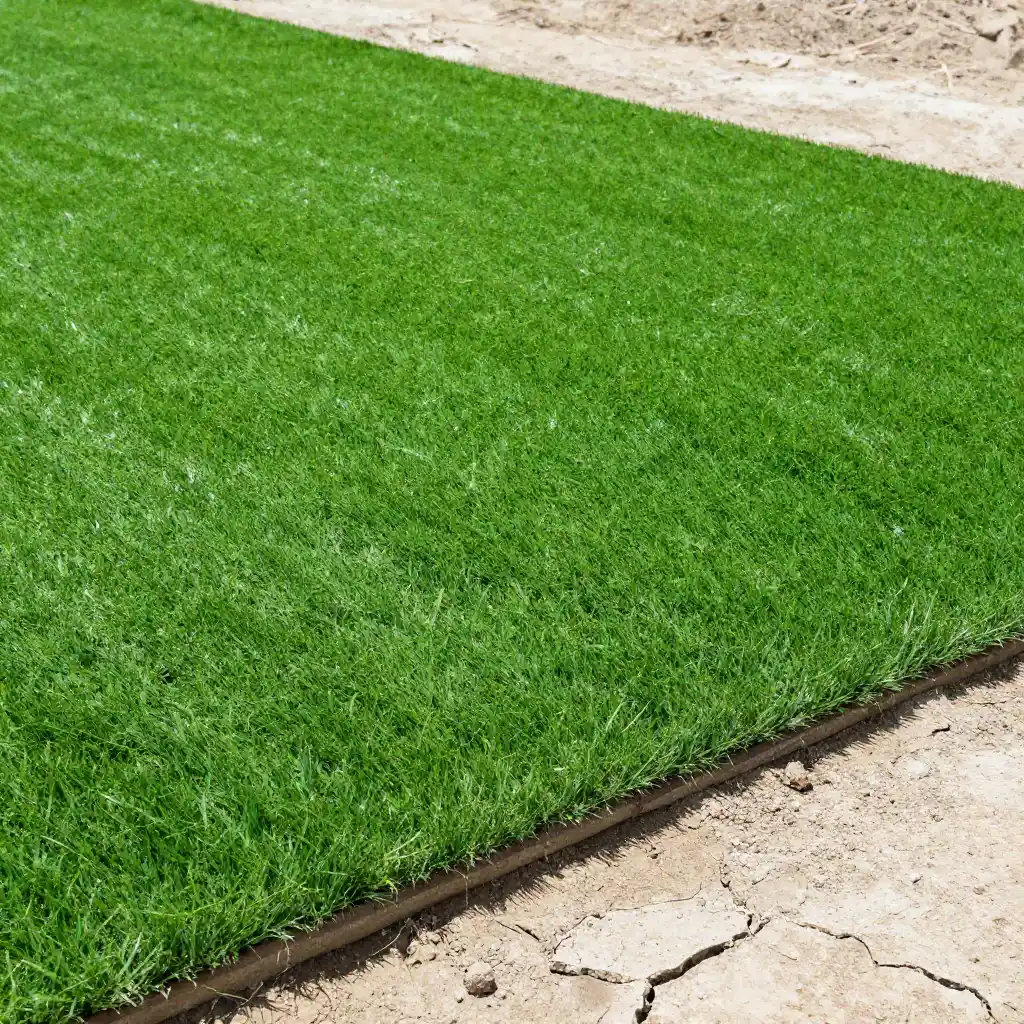
Good artificial grass installation includes a compacted base and a proper drainage layer underneath. Rainwater flows through the surface instead of pooling or running off into the street. This design also means that on the rare occasion you do rinse the surface down, the water drains efficiently rather than going to waste.
Lower Maintenance Means Lower Water Use Elsewhere
Because artificial grass needs no fertiliser or pesticide, you also avoid the extra watering that normally washes those products into the soil. Less maintenance translates directly into less water used across the whole garden, not just the lawn itself.
Where Artificial Grass Works Best Around Your Property
Artificial grass suits far more than just the front lawn. For gardens with pets, pet turf resists digging and stays easy to clean without hosing it down constantly. For families with kids, playground turf stays soft and safe underfoot without the muddy patches that natural grass develops in the dry season. For general garden design, landscaping turf gives you a neat, even finish that holds its colour year-round.
Combining Artificial Grass With Natural Lawn Areas
Many Midrand properties mix both. You might keep a section of instant lawn for a natural feel near the house, while using artificial grass in high-traffic or hard-to-water zones like side gardens, play areas, or spaces under trees. This approach cuts your overall watering needs while still giving you a green, natural-looking garden where it matters most.
Preparing the Ground Properly Still Matters
Even though artificial grass needs no soil once installed, the base underneath still needs the right preparation. Proper excavation, compaction, and drainage planning ensure the turf lies flat and drains well for years. If your property also includes natural garden beds, healthy organic soils help those areas use water more efficiently too, so the whole garden works together instead of against your water budget.
Making the Switch Before the Next Dry Season
Midrand’s dry months arrive every year, and municipal water restrictions tend to follow them. Switching to artificial grass now means your garden stays green through the next drought without adding pressure to your water bill or the local supply.
If you’re ready to reduce your garden’s water use, get in touch with Turf Company Midrand for a site assessment and a free, no-obligation quote.