Choosing Between Artificial Grass and Natural Lawn for Your Midrand Garden
Choosing between artificial grass and a natural lawn is one of the biggest decisions Midrand homeowners face when planning their garden. Both options promise a green, welcoming yard. However, they differ hugely in water use, upkeep, cost, and long-term performance under Highveld conditions. This guide breaks down both choices so you can pick the right fit for your Midrand garden.
Why This Decision Matters for Midrand Homeowners
Midrand sits on the Highveld, where summers bring heavy afternoon thunderstorms and winters stay dry and cold. As a result, lawns here face a tough climate cycle: rapid growth in summer, followed by dormancy or browning in winter. Additionally, load shedding and municipal water restrictions make consistent irrigation harder than it used to be. Therefore, before choosing a surface, it helps to understand how each option copes with these local pressures.
Turf Company Midrand works with these exact conditions daily. We supply and install both premium instant lawns and durable artificial grass, so we see firsthand which option suits which garden.
Natural Lawn: What It Offers Midrand Gardens
A natural lawn brings genuine biological benefits. Real grass cools the surrounding air, absorbs rainwater, and supports the soil ecosystem beneath it. Furthermore, nothing quite matches the texture and smell of real grass underfoot.
The Advantages of a Natural Lawn
Midrand’s climate actually suits several grass varieties well. Kikuyu Grass, for example, handles high foot traffic and bounces back quickly after damage. Meanwhile, LM Berea Grass thrives in shaded corners where other varieties struggle. Because these are supplied as pre-grown instant lawn rolls, you avoid the long wait for seed to establish. Within days, your yard looks complete rather than patchy.
A natural lawn also improves drainage. Since Midrand receives strong summer downpours, healthy soil and root systems absorb excess water instead of letting it pool or run off. Consequently, a well-maintained lawn reduces waterlogging around your home.
The Drawbacks of a Natural Lawn
On the other hand, natural grass demands ongoing care. It needs regular mowing, feeding, and watering to stay green, especially through hot Highveld summers. Rand Water and Johannesburg Water, the region’s bulk and retail water suppliers, currently ask residents to conserve water and follow permanent garden watering by-laws, which can complicate a watering schedule. Similarly, the US EPA’s WaterSense programme recommends testing soil moisture before watering rather than sticking to a fixed schedule, since overwatering wastes water and weakens root growth.
Winter also brings dormancy. Unless you choose All Seasons Evergreen or overseed with ryegrass, most Midrand lawns brown off between May and August. This is normal, but some homeowners find it disappointing after months of lush green summer growth.
Artificial Grass: What It Offers Midrand Gardens
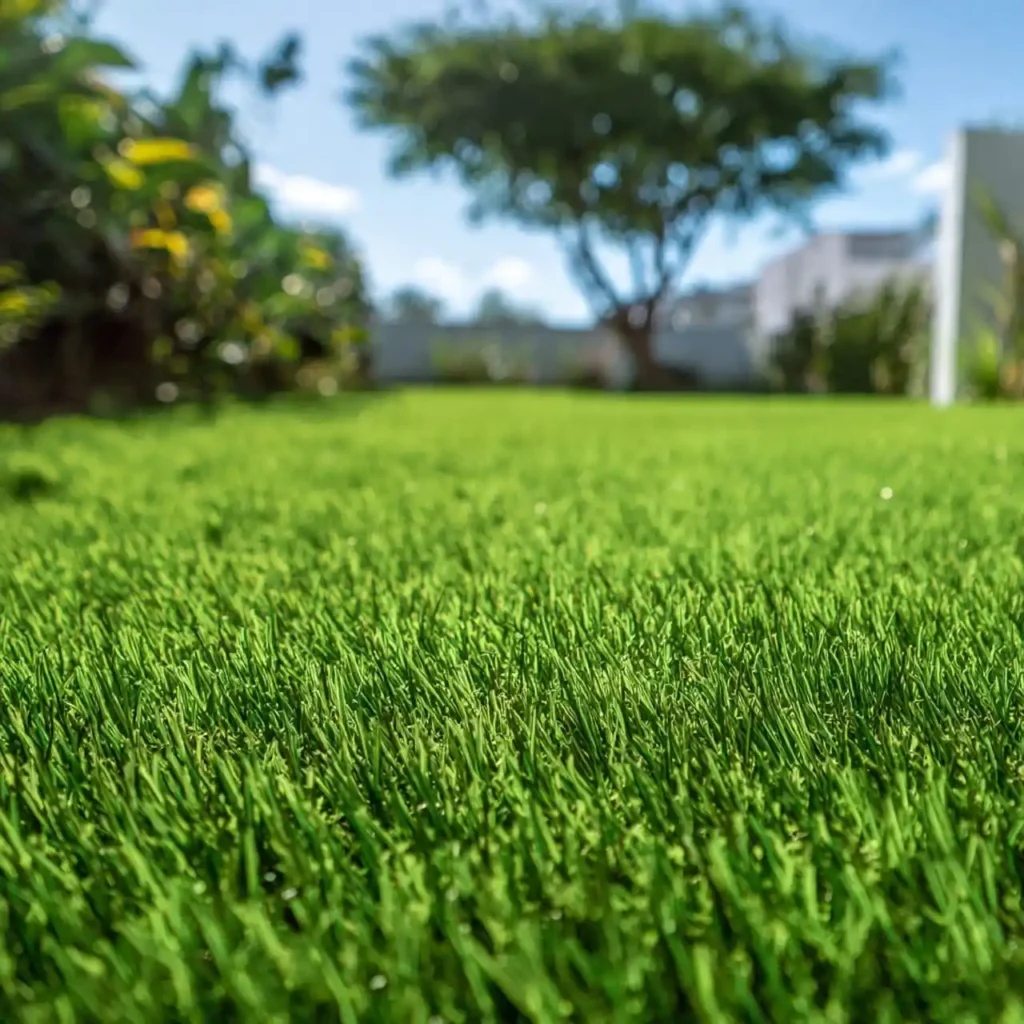
Artificial grass solves many of the problems natural lawn creates, particularly around water use and maintenance. Because it never grows, it never needs mowing, feeding, or regular watering.
The Advantages of Artificial Grass
First and most obviously, artificial grass stays green all year round, regardless of season or drought conditions. This matters a great deal given Gauteng’s ongoing water pressures. Second, it handles heavy use well. Our Pet Turf range, for instance, resists digging and cleans easily, while Playground Turf gives kids a safe, soft surface without mud or bare patches. For golf enthusiasts, a Golf Putting Green delivers a consistent roll every single day, something natural grass cannot match without constant maintenance.
Artificial grass also drains properly after rain when installed correctly. A compacted base and proper excavation, rather than topsoil, keep the surface flat and prevent pooling, even during Midrand’s intense summer storms.
The Drawbacks of Artificial Grass
That said, artificial grass carries a higher upfront installation cost than seeding or laying instant lawn. It also gets warmer than real grass on very hot days, though quality turf products manage heat better than cheaper alternatives. Additionally, artificial grass will not improve your soil health or support the same insect and microbial life a natural lawn does, so gardeners focused purely on biodiversity may prefer real grass in at least part of the yard.
Water Use, Maintenance, and Cost: A Direct Comparison
Water use is where the two options differ most sharply. A natural lawn needs regular watering to stay green, and with Rand Water requesting ongoing conservation across Gauteng, that reliance carries real risk during dry spells or supply interruptions. Artificial grass, in contrast, needs no watering at all beyond the occasional rinse to clear dust or pet waste.
Maintenance follows a similar pattern. Natural lawn requires mowing, edging, and periodic feeding with compost or lawn dressing to stay thick and healthy. Artificial grass, meanwhile, only needs occasional brushing to keep the fibres upright.
Cost tells a slightly different story. Instant lawn costs less upfront but carries ongoing water, fertiliser, and mowing expenses over time. Artificial grass costs more initially but eliminates most recurring costs afterward. Over a five to ten year period, many Midrand homeowners find artificial grass works out more economical, particularly for high-traffic areas like play zones or pet runs.
Which Option Suits Your Midrand Garden?
The right choice really depends on how you use your garden and how much time you want to spend maintaining it. If you enjoy gardening, want maximum biodiversity, and don’t mind a regular watering and mowing routine, a natural lawn using organic soils as a base gives you a living, breathing yard. If, however, you want a consistently green space with minimal upkeep and lower long-term water use, artificial grass makes more practical sense, especially for households with pets, kids, or busy schedules.
Many Midrand homeowners also choose a hybrid approach. They install artificial grass in high-traffic zones, such as patios, play areas, or pet spaces, while keeping natural lawn in garden beds or feature areas where soil health matters more.
Get Expert Advice From Turf Company Midrand
Ultimately, there’s no single right answer. It depends on your household, your budget, and how much time you want to spend on upkeep. Turf Company Midrand assesses your soil, sun exposure, and drainage before recommending the best fit for your space, whether that’s a hardy Kikuyu instant lawn, premium artificial grass, or a combination of both.
Ready to transform your garden? Get in touch with our team for a free, no-obligation quote tailored to your Midrand property.