
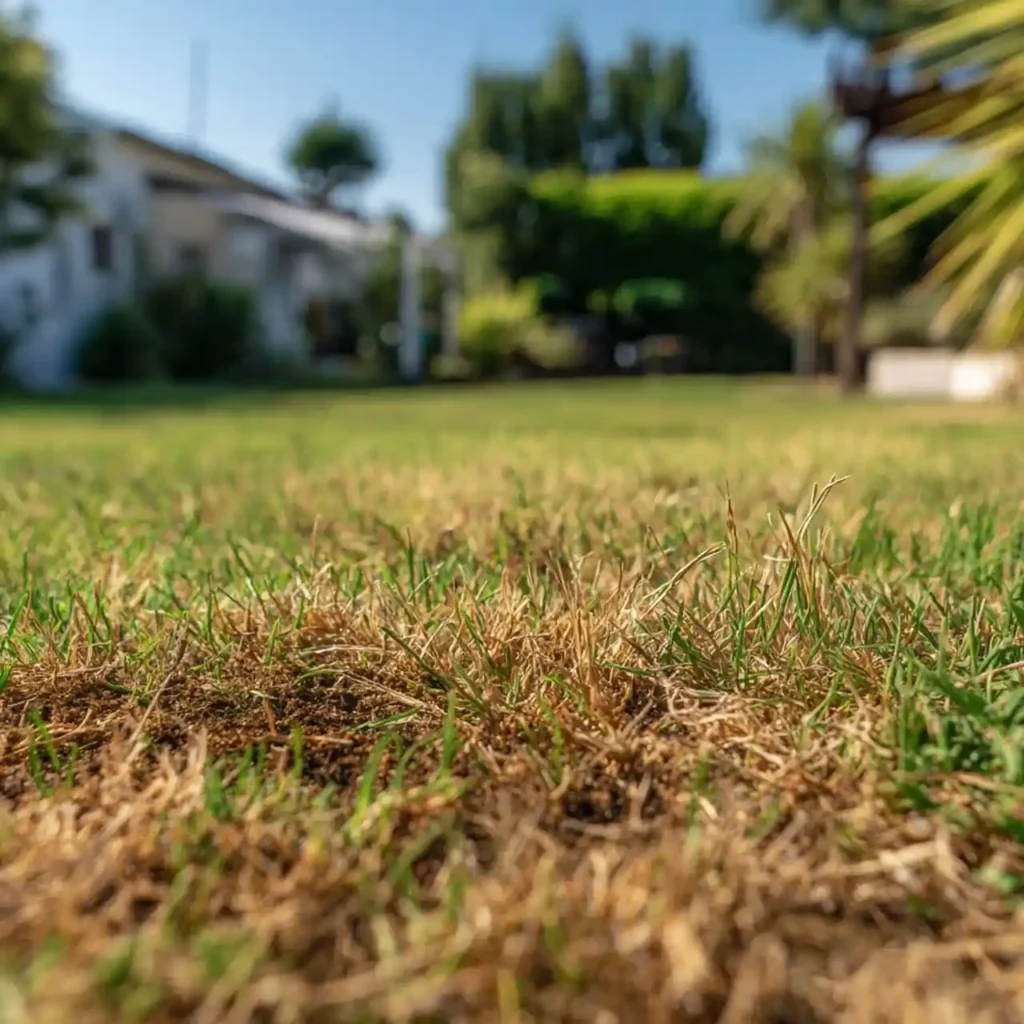
Brown Spots on Kikuyu Grass: Causes and Solutions for Midrand Gardens
A once-lush lawn that suddenly turns brown can feel like a mystery. Yet for most Midrand homeowners, the cause is simple once you know what to look for. Kikuyu grass is one of the toughest instant lawn options around, but it still responds to stress, weather, and poor soil the same way any living plant does. Below, we break down why your lawn might be browning and what actually fixes it.
Why Kikuyu Grass Turns Brown
Before you panic and rip out your lawn, it helps to understand that browning has several possible causes. Some are completely normal. Others need quick action.
Natural Winter Dormancy
First, consider the season. Kikuyu grass is a warm-season variety, which means it slows down and browns off once temperatures drop. This is not damage; it’s dormancy. Once the Highveld warms up again in spring, healthy Kikuyu Grass typically greens up on its own without any intervention. According to Wikipedia, the species is native to the highland regions of East Africa, so it naturally handles cooler nights better than tropical grasses, but it still pauses growth in winter.
Watering Problems
Second, check your watering habits. Too little water stresses the roots, while too much water drowns them and encourages shallow root growth. Both problems show up as the same dull, brown patches. Because Midrand’s climate swings between dry spells and heavy summer storms, a consistent watering schedule matters more than the total amount of water you use.
Nutrient Deficiency
Next, look at the soil itself. Kikuyu grass feeds heavily during its growing season, and depleted soil quickly loses its green colour. Applying compost restores organic matter, while lawn dressing levels the surface and thickens thin patches. Together, these organic soils give the grass what it needs to recover its colour.
Pest and Disease Damage
Meanwhile, pests and fungal disease can mimic the look of drought stress. Lawn caterpillars, chafer beetles, and fungal patches all cause irregular brown spots rather than an even, lawn-wide fade. The UC Statewide IPM Program notes that kikuyu grass grows fast under the right conditions, so a sudden slowdown or discolouration is usually a sign something specific is interfering with growth. If patches appear randomly rather than uniformly, pests or disease are the more likely culprit.
Poor Soil Preparation
Finally, consider how the lawn was installed in the first place. A lawn laid onto compacted, unprepared ground struggles to establish deep roots. As a result, it browns faster under heat or dry spells than a lawn installed with proper topsoil beneath it. This is one reason professional installation matters so much for long-term lawn health.
How to Bring Your Kikuyu Lawn Back to Life
Once you’ve identified the likely cause, recovery usually follows a straightforward process.
Adjust Your Watering Routine
Start by watering deeply but less often. Frequent shallow watering trains roots to stay near the surface, which makes the lawn more vulnerable to heat. Instead, water early in the morning and let the soil dry slightly between sessions so roots grow downward in search of moisture.
Feed the Soil, Not Just the Grass
After that, focus on the soil beneath the grass rather than the blades themselves. A seasonal application of compost replenishes nutrients naturally, and it also improves how well the ground retains moisture. Healthy soil, therefore, does most of the work of keeping the lawn green.
Treat Pests Early
If you notice brown patches with a clear edge or chewed blades, treat for pests as soon as possible. Waiting allows the problem to spread across the lawn, which turns a small patch into a full re-lay job.
When to Consider a Fresh Start
Sometimes, a lawn has simply reached the end of its life. Years of compacted soil, root damage, or an underlying drainage issue can leave grass unable to recover no matter how well you water or feed it. In these cases, replacing the lawn with fresh, healthy instant lawns resets the problem at the root rather than masking it season after season. If your garden also struggles with heavy shade, a variety like LM Berea Grass may suit the space better than Kikuyu going forward.
For homeowners who want a permanently green space without the seasonal colour changes at all, artificial grass removes the guesswork entirely. It stays green through winter dormancy periods and needs no watering schedule to manage.
Get Expert Help From Turf Company Midrand
Diagnosing a browning lawn correctly saves time, water, and money. If you’re unsure whether your Kikuyu grass needs a feed, a watering adjustment, or a full replacement, our team can assess your garden and recommend the right fix. Contact Turf Company for a site visit, and get a lawn built to handle whatever Midrand’s seasons throw at it.