How Lawn Dressing Improves Clay Soil in Midrand Gardens
Clay soil frustrates many Midrand gardeners. It bakes hard in summer, turns sticky after rain, and often leaves grass thin or patchy. Fortunately, lawn dressing offers a practical fix. This soil enrichment method breaks up compacted clay, feeds the root zone, and helps your lawn recover its colour and density.
In this guide, we explain why Midrand’s clay-heavy soil behaves the way it does, and how lawn dressing restores balance so your grass can thrive.
Why Clay Soil Struggles in Midrand Gardens
Midrand sits on the Highveld, where many properties have dense, red or brown clay soil beneath the topsoil layer. This clay holds nutrients well, yet it drains poorly and compacts easily under foot traffic.
As a result, water pools on the surface after summer storms instead of soaking through to the roots. Meanwhile, oxygen struggles to reach the grass roots, which slows growth and weakens the lawn over time. Consequently, many homeowners notice bare patches, yellowing grass, or a lawn that never looks quite as full as their neighbour’s.
According to the Royal Horticultural Society, clay soil can behave like concrete in dry weather and turn to a sticky mess when wet, which is exactly the pattern many Midrand gardens show through the seasons.
Signs Your Lawn Needs Attention
A lawn growing in heavy clay often shows a few clear warning signs. The surface feels hard underfoot, even after rain. Puddles linger for hours instead of draining away. Grass growth also looks uneven, with lush patches next to bare or thinning ground. If any of this sounds familiar, your soil likely needs help before your grass can recover.
What Lawn Dressing Actually Does
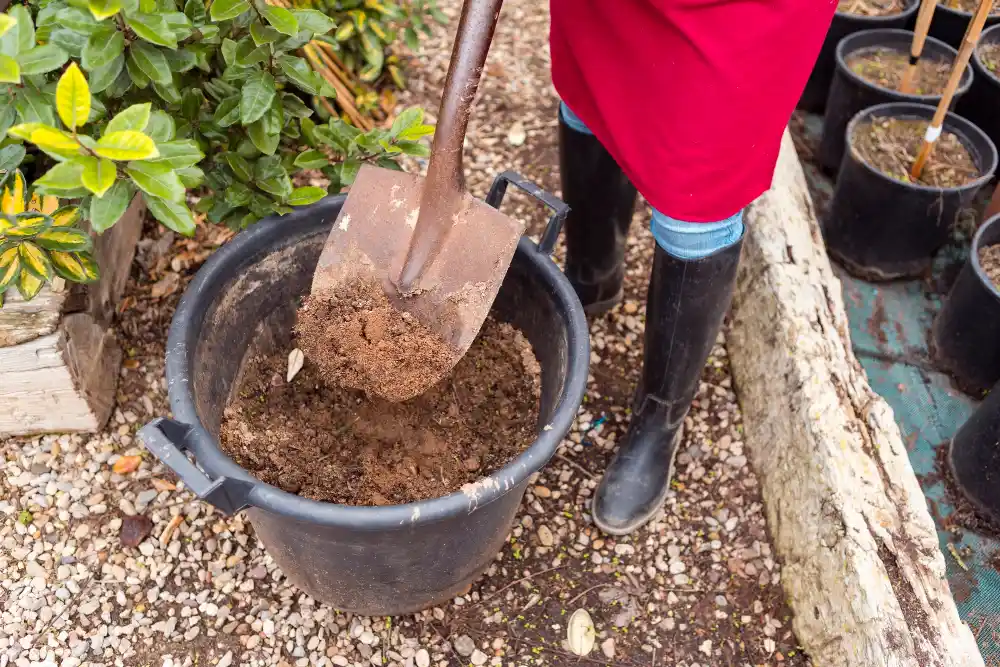
Lawn dressing is a nutrient-rich blend of organic material, spread evenly across an existing lawn. Unlike topsoil, which builds a new foundation, lawn dressing works with the grass you already have. It levels the surface, improves the soil structure underneath, and feeds the roots directly.
Once applied, the dressing breaks up compacted clay particles near the surface. This, in turn, creates small air pockets that let water and oxygen move more freely through the soil. Grass roots then spread further and grow deeper, so the lawn becomes more resilient during both dry spells and heavy rain.
Research from Oregon State University Extension confirms this effect, noting that organic amendments improve drainage and aeration in clay soil while helping the ground warm up faster in spring.
How Lawn Dressing Differs From Compost and Topsoil
People often confuse lawn dressing with compost or topsoil, yet each product serves a different purpose. Topsoil forms the base layer for a brand-new lawn or garden bed. Compost adds concentrated organic nutrients to boost fertility. Lawn dressing, on the other hand, is designed specifically for lawns that already exist, since it levels the surface while feeding the grass from above.
Together, these three products form the backbone of our organic soils range, and we often combine them depending on your garden’s condition.
How the Process Works
At Turf Company Midrand, we start every project with a proper lawn assessment. We check for compaction, drainage problems, and thinning grass before recommending a solution. Next, we clear debris and lightly aerate the lawn where needed, since this step helps the dressing make direct contact with the soil below.
Once the lawn is ready, we spread the dressing evenly across the surface at the correct depth. We then level the ground to remove dips and low spots, which also helps rainwater drain more evenly across the lawn. Finally, we walk you through simple aftercare steps for watering and mowing, so your lawn establishes quickly and keeps its improved condition.
Homeowners planning a fresh start often pair this service with an instant lawn installation. For Midrand’s climate, Kikuyu grass is a popular choice, since it handles heavy clay and high foot traffic particularly well once the soil underneath has been improved.
Best Time to Apply Lawn Dressing
Spring and early summer give grass the best chance to recover after a lawn dressing application, since the grass grows actively during these months. However, every garden differs slightly, so we recommend a site assessment before choosing a date. Suburbs such as Kyalami, Blue Hills, and Carlswald often show slightly different soil conditions, even though they sit close together, which is why we tailor each plan to the specific property.
Get Your Midrand Lawn Back on Track
Clay soil doesn’t have to hold your garden back. With the right lawn dressing application, your grass can grow thicker, drain better, and stay green for longer through Midrand’s changing seasons. If your lawn feels compacted, patchy, or slow to recover, our team can assess your soil and recommend the right treatment.
Get in touch with Turf Company Midrand today for a free, no-obligation quote on lawn dressing and soil enrichment.