
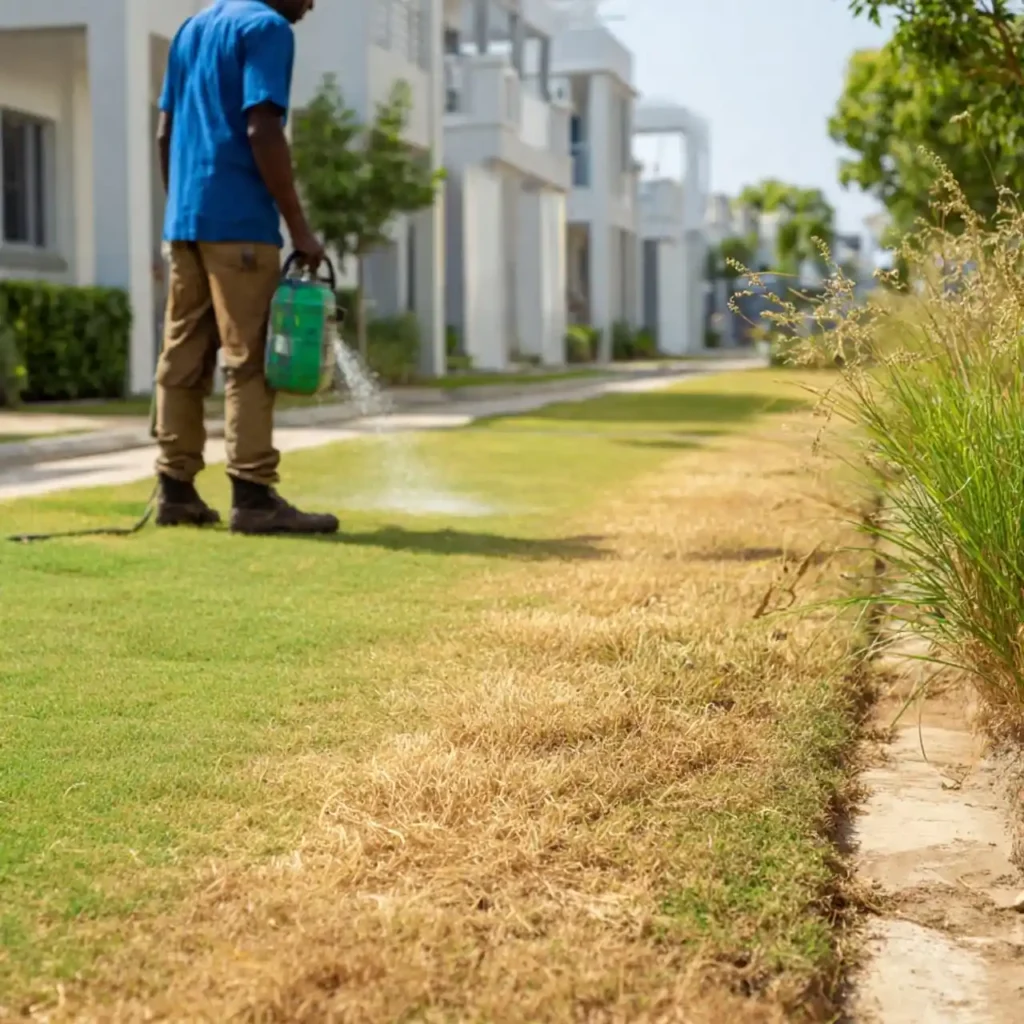
Instant Lawn Establishment Problems: Red Flags to Watch For
A fresh lawn should feel like an upgrade, not a headache. Yet many Midrand homeowners run into trouble soon after laying new turf. Instant lawn establishment problems are common, but most have simple, preventable causes. Understanding what goes wrong, and why, helps you protect your investment and enjoy a lush, healthy lawn from day one.
At Turf Company Midrand, we install instant lawns across the area every week. Below, we break down the most frequent establishment issues we see and show you exactly how to fix them.
Why Instant Lawn Establishment Fails in Midrand Gardens
Before troubleshooting specific symptoms, it helps to understand the root causes. Most instant lawn establishment problems trace back to just two things: poor ground preparation and inconsistent watering. Get these right, and you avoid the majority of issues altogether.
Poor Soil Preparation
Instant lawn rolls need direct contact with healthy, level soil to root successfully. If the ground underneath is compacted, uneven, or lacking nutrients, the grass struggles from the start. Rocks, old rubble, and leftover builder’s sand also block root growth and create dry patches. Because Midrand’s clay-heavy soils compact easily, proper tilling and enrichment with quality organic soils makes a real difference before any turf goes down.
Incorrect Watering After Installation
New turf loses moisture fast, especially during the first two to three weeks. Underwatering causes the edges to dry out and shrink, leaving visible gaps between rolls. Overwatering, on the other hand, drowns the roots and encourages fungal problems. Consistent, deep watering during the establishment window sets the tone for how well your lawn takes hold. According to Penn State Extension, correctly timed watering during early establishment directly affects how quickly turfgrass roots anchor into the soil below.
Common Instant Lawn Establishment Problems and Practical Fixes
Once your lawn is down, a few specific issues tend to show up first. Here is what causes them and how to solve each one.
Yellow or Patchy Grass After Laying
Yellowing within the first week usually points to transplant shock, which is normal and temporary. However, if patches stay yellow beyond two weeks, the cause is often inconsistent watering or poor soil contact under the rolls. Press down gently on any yellow patches; if the ground underneath feels hollow or uneven, lift the roll, level the soil, and relay it. Watering that specific patch more consistently for the following week usually restores the colour.
Lawn Not Rooting Properly
If you tug gently on the grass a few weeks after installation and it lifts easily, the roots have not anchored yet. This typically happens when the soil underneath was too dry, too compacted, or too sandy at the time of laying. Adding a layer of lawn dressing and increasing watering frequency for a short period often encourages roots to push down properly. Avoid heavy foot traffic on the area until you feel firm resistance when tugging.
Weeds Taking Over a New Lawn
Weeds exploit any gap in a newly laid lawn before the grass thickens up. This happens more often when rolls are spaced too far apart or when the underlying soil already contained weed seeds. Hand-pull weeds early, since chemical treatments can stress young turf. Filling gaps with fresh topsoil and reseeding thin spots helps the lawn close ranks and crowd weeds out naturally over time.
Shaded Areas Struggling to Establish
Not every grass variety copes well with shade, which is a common issue on properties with large trees or high walls. Kikuyu Grass, for example, needs strong sunlight and thins out quickly in shaded corners. If part of your garden stays shaded most of the day, LM Berea Grass copes far better and stays healthier long-term. Matching the grass variety to actual light conditions prevents this problem before it starts.
How Turf Company Midrand Prevents Establishment Problems
Most instant lawn establishment problems come down to preparation, not the turf itself. Our team assesses your soil, sun exposure, and drainage before recommending a grass variety, then handles site preparation properly from the outset. We enrich the soil with the right blend of compost and topsoil, lay each roll tightly against the next, and give clear watering guidance so your lawn establishes correctly the first time. This approach applies across every suburb we service, including Saddlebrook and the surrounding areas.
Choosing the Right Grass Variety for Midrand Conditions
Selecting the correct variety upfront prevents a large share of establishment problems down the line. Sunny, high-traffic areas generally do well with Kikuyu Grass, while shaded gardens need LM Berea Grass to stay dense and green. For a fine, manicured look, TiffSport works well, and All Seasons Evergreen suits homeowners who want colour retained through winter. According to the University of Maryland Extension, matching turfgrass species to site conditions remains one of the strongest predictors of long-term lawn health. Getting this decision right from the start saves time, water, and money later.
Get Your Instant Lawn Established the Right Way
Instant lawn establishment problems are frustrating, but almost always avoidable with the right soil preparation, variety selection, and aftercare. If your new lawn is struggling, or you are planning an installation and want it done properly from day one, get in touch with Turf Company Midrand for a site assessment and tailored recommendation.