
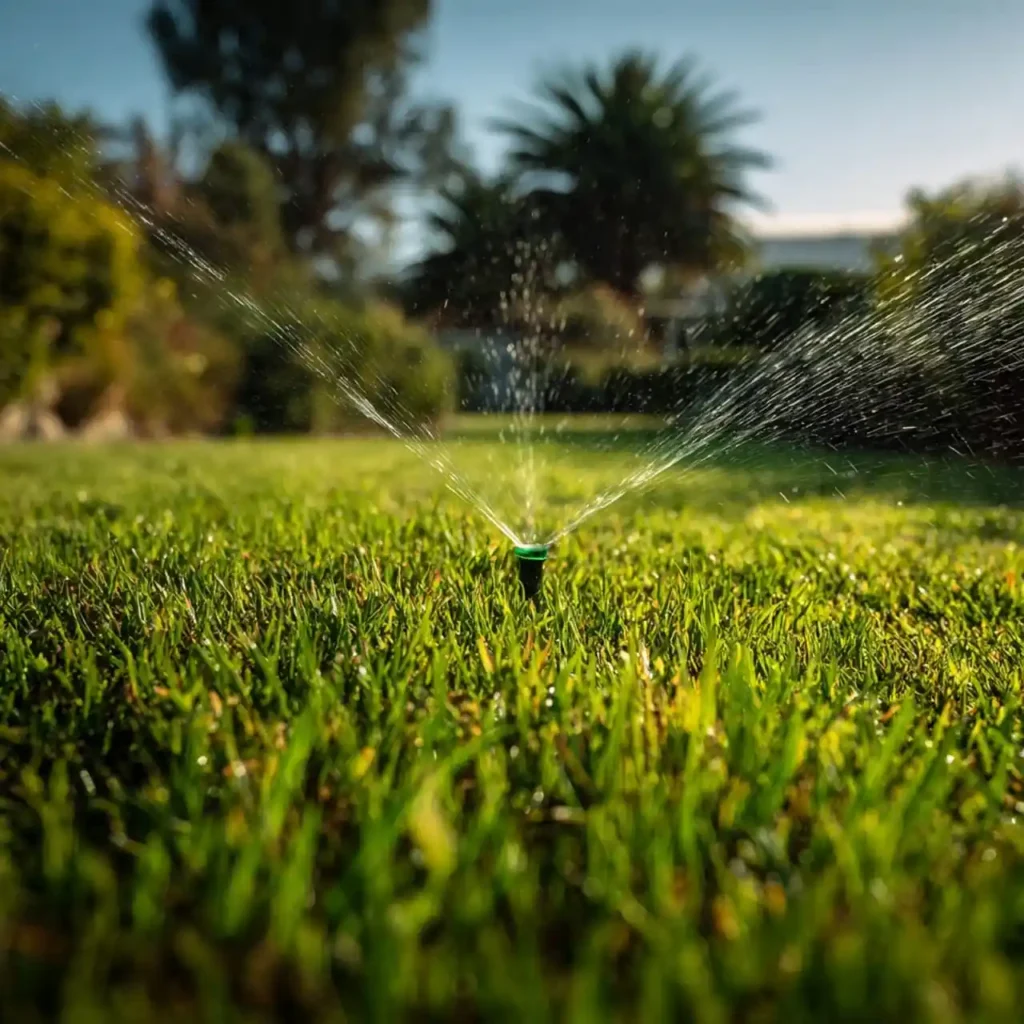
Watering Your New LM Berea Lawn in Midrand: A Complete Guide
Laying a new lawn is exciting. However, that excitement can fade fast if the grass yellows or dries out within the first few weeks. The truth is, most instant lawn failures come down to one thing: watering. Get it right, and your new lawn roots quickly and stays lush. Get it wrong, and even premium turf struggles to establish.
This guide breaks down the ideal LM grass watering schedule, so your new LM Berea Grass lawn gets off to the strongest possible start. Whether you’re a Midrand homeowner or a business managing a larger property, these steps will help your lawn root deeply, stay healthy, and thrive for years to come.
Why Watering Matters So Much for a New Instant Lawn
When instant lawns arrive as pre-grown rolls, they already look complete. Underneath, though, the roots haven’t yet bonded with the soil beneath them. Until that bond forms, the grass depends entirely on surface moisture to survive.
Because LM Berea Grass is a soft-leaf, shade-loving variety, it behaves a little differently to sun-loving grasses like Kikuyu. It still needs consistent moisture during establishment, but once rooted, it typically requires less water than full-sun varieties. Understanding this balance is the key to a successful lawn.
What Happens If You Get the Schedule Wrong
Underwatering during the first two weeks causes the sod to dry out before roots can form, leading to patchy, brown areas that may need replacing. Overwatering, on the other hand, starves the roots of oxygen and can cause rot before the lawn even establishes. Neither mistake is easy to reverse once it happens, which is why following a proper schedule matters from day one.
The LM Grass Watering Schedule: Week by Week
Day One: Watering-In Immediately After Installation
As soon as your LM Berea Grass has been laid, water it thoroughly. This first watering-in step is not optional. It helps the roots make contact with the soil below and prevents the sod from drying out in the sun. Soak the lawn until the soil underneath feels moist, not just the surface.
At Turf Company Midrand, our installation team completes this step as part of every job. We also walk clients through an aftercare routine, so there’s no guesswork once we leave.
Week One: Frequent, Light Watering
During the first week, water your new LM Berea lawn once or twice daily. Morning watering works best because cooler temperatures reduce evaporation and give the grass moisture through the heat of the day. If Midrand experiences particularly hot or windy weather, a light afternoon top-up may also help.
The goal here isn’t to soak the lawn constantly. Instead, aim to keep the top few centimetres of soil consistently moist. Lift a corner of the turf occasionally to check that moisture has reached the soil underneath, not just the grass blades.
Weeks Two to Three: Gradually Reducing Frequency
As roots begin to establish, usually within seven to ten days, you can start easing off. Reduce watering to once a day, and pay closer attention to how the lawn responds. If it still looks vibrant and springs back after you walk on it, you’re on the right track.
This transition period matters because it teaches the roots to grow downward in search of moisture, rather than staying shallow near the surface. Shallow-rooted lawns struggle in dry spells, so this stage genuinely shapes the long-term health of your grass.
Week Four Onward: Settling Into a Normal Routine
By the fourth week, most LM Berea lawns have rooted well enough to move to a standard watering routine. At this stage, water two to three times a week rather than daily, giving the lawn a deeper soak each time. Deep, infrequent watering encourages roots to reach further into the soil, which builds resilience against Midrand’s hot, dry summer spells.
Because LM Berea thrives in shaded conditions, lawns under trees or against north-facing walls often need slightly less water than sunnier areas. Adjust accordingly, and always factor in rainfall before switching on a hose or sprinkler.
Signs Your LM Berea Grass Needs Water
Rather than sticking rigidly to a calendar, it helps to read the lawn itself. A change in colour, from bright green to a dull, greyish tone, often signals thirst before the grass visibly wilts. Similarly, if footprints remain visible on the lawn for several minutes after you walk across it, that’s a sign the grass has lost turgidity and needs a drink.
Soil type also plays a role. Sandy soils drain faster and may need watering slightly more often, while denser soils hold moisture longer and can go a little longer between waterings. If you’re unsure what soil you’re working with, our team can advise during a site visit, along with recommendations for organic soils that improve moisture retention.
Common Watering Mistakes to Avoid
Watering little and often, beyond the first two weeks, is one of the most frequent mistakes homeowners make. It feels proactive, but it actually discourages deep root growth and leaves the lawn vulnerable during dry periods. Similarly, watering in the middle of the day wastes a large portion of that water to evaporation, so early morning remains the best time to irrigate.
Another overlooked issue is uneven coverage. Sprinklers and hosepipes don’t always reach every corner evenly, so patchy watering can lead to patchy growth. Checking coverage periodically, especially around edges and borders, helps keep the whole lawn establishing at the same pace.
How Soil Preparation Supports a Better Watering Outcome
Watering alone won’t guarantee lawn success if the soil beneath it isn’t right. Before laying any instant lawn, we prepare the ground with organic soils such as compost and topsoil, which improve both drainage and moisture retention. Well-prepared soil holds water more evenly, so your lawn needs less frequent watering overall once established.
This is one of the reasons soil preparation and watering schedules go hand in hand. A lawn laid on poor soil will always demand more water and more attention, regardless of how carefully you follow a watering routine.
When to Bring in the Professionals
While this schedule gives you a solid foundation, every garden is different. Shade patterns, soil composition, and even wind exposure all affect how much water your lawn actually needs. That’s why, at Turf Company Midrand, we don’t just install your lawn and leave. We provide tailored aftercare advice based on your specific site conditions, whether you’re in Kyalami, Crowthorne, or right here in Saddlebrook.
If you’re planning a new lawn, or your existing LM Berea Grass isn’t responding the way you’d expect, get in touch with our team. We’ll assess your garden and help you build a watering routine that keeps your lawn healthy through every season.
Final Thoughts on Watering Your New LM Berea Lawn
Getting your instant lawn off to a strong start doesn’t require complicated equipment or guesswork. It simply requires consistency in those first few weeks, followed by a gradual shift toward deeper, less frequent watering. Follow this LM grass watering schedule, watch how your lawn responds, and adjust as needed for your garden’s specific conditions.
For further general watering guidance, the Royal Horticultural Society and Clemson University’s Home & Garden Information Center both offer useful, research-based principles on lawn establishment that align closely with the approach outlined above.
Ready to get started? Contact Turf Company Midrand today for a free, no-obligation quote on your next instant lawn project.